Parents always prioritize protection when kids dive into active play. Sports like biking, skateboarding, and scootering bring joy and excitement. However, falls happen quickly. That’s why choosing the right helmet matters so much. One standout option emerges from thorough testing and real-world use. The Bavilk multi-sport helmet delivers reliable safety and comfort for young adventurers. For a detailed look at its features, check out this comprehensive review of the youth helmet.
Experts highlight the risks involved. According to the Centers for Disease Control and Prevention (CDC), approximately 283,000 children seek emergency care each year for sports- and recreation-related traumatic brain injuries. Moreover, contact sports account for about 45% of these cases. Proper children safety gear plays a key role in reducing severe outcomes. Helmets, when fitted correctly, help shield young heads from serious harm.
This guide explores why the Bavilk helmet excels in safety and comfort. Readers gain practical insights into selecting and using protective equipment effectively.
Why Helmets Matter for Kids in Sports
Kids love moving fast and exploring limits. Yet, their developing brains need extra care. Research shows that helmets significantly lower the risk of head injuries during activities.
The CDC emphasizes that no helmet completely prevents concussions. Still, a well-designed one reduces the chance of skull fractures and severe brain trauma. For instance, proper helmet use in bicycling cuts serious head injury risk substantially.
Furthermore, multi-sport helmets like the Bavilk adapt to various activities. Children often switch from biking to skating in one afternoon. A versatile design ensures consistent protection without needing multiple pieces of children safety gear.
Parents appreciate how these helmets encourage safe habits early. Kids feel secure and confident. In turn, they participate more actively while parents worry less.
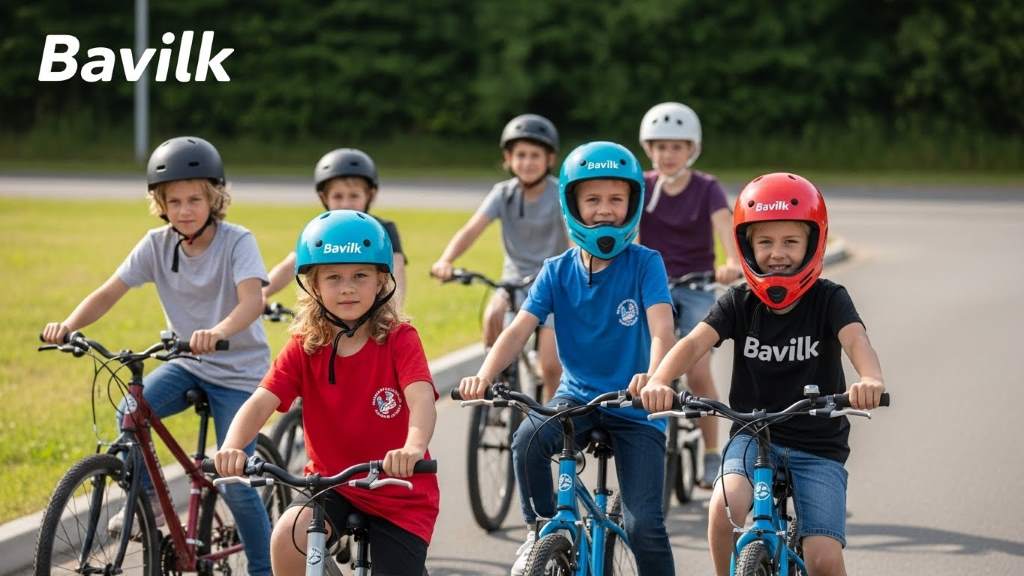
Key Safety Features of the Bavilk Helmet
Safety starts with solid construction. The Bavilk helmet features a reinforced ABS outer shell. This tough material resists impacts effectively.
Inside, thickened EPS foam absorbs shocks. This dual-layer approach meets rigorous standards. Specifically, it complies with U.S. CPSC standards for bicycle helmets and ASTM requirements for skateboarding.
Additionally, the helmet offers extended coverage at the back and sides. Young riders benefit from this extra protection during falls.
Ventilation plays a role too. Eleven ports allow airflow, keeping heads cool. Overheating leads to discomfort, which might cause kids to remove helmets mid-activity. The Bavilk design prevents that issue.
Overall, these elements combine to create dependable children safety gear for everyday adventures.
Certifications and Standards Explained
Certifications provide peace of mind. The CPSC standard ensures helmets protect against high-impact collisions common in cycling.
Meanwhile, ASTM certification covers multi-impact scenarios, ideal for skating and scootering. Dual compliance makes the Bavilk suitable for diverse sports.
Recent guidelines from the CDC stress choosing certified helmets. Age-appropriate and activity-specific options perform best.
Parents should check stickers inside the helmet. These confirm testing and approval by recognized bodies.
Comfort That Kids Actually Enjoy
Comfort determines whether kids keep helmets on. The Bavilk shines here with thoughtful details.
An adjustable dial at the back allows precise fitting. Straps secure without pinching skin. Soft chin pads add cushioning.
Moreover, removable liners wick away sweat. They wash easily, maintaining freshness after sweaty sessions.
Lightweight construction prevents neck strain. At around 400 grams, it feels barely noticeable during long playtimes.
Kids report staying comfortable for hours. This encourages consistent wear, boosting overall safety.
Fitting Your Child’s Helmet Perfectly
A great helmet only works if it fits right. Follow these steps for optimal protection.
First, measure head circumference just above the eyebrows. Use that to select the starting size.
Next, place the helmet level on the head. It should sit low on the forehead, about two fingers above eyebrows.
Then, adjust side straps to form a V under each ear. The chin strap allows only one or two fingers underneath when buckled.
Finally, shake the head gently. The helmet stays secure without wobbling.
Regular checks ensure ongoing proper fit as children grow.
- Position helmet flat and level.
- Secure straps snugly but comfortably.
- Test movement to confirm stability.
- Replace if damage occurs or fit changes.
Testing the Bavilk Helmet in Real Scenarios
Real-world performance reveals true value. Testers put the Bavilk through biking trails, skate parks, and scooter rides.
It stayed firmly in place during sharp turns and minor tumbles. Ventilation kept users cool even on warm days.
Durability impressed over months of use. The shell resisted scratches from daily handling.
Families noted easy adjustments for sharing among siblings. Quick dial tweaks accommodated different head sizes seamlessly.
In comparison, it held up against pricier models in casual settings. For recreational sports, it delivers excellent reliability.
Comparing Multi-Sport Helmets for Kids
Multi-sport options offer versatility. The Bavilk competes well with popular choices.
Some brands include advanced rotational protection. However, the Bavilk provides core impact absorption at an accessible level.
Ventilation and weight match or exceed many competitors. Adjustable systems ensure growing kids use it longer.
User feedback highlights secure fits during active play. Parents value the balance of features for everyday needs.
Ultimately, it suits families seeking dependable children safety gear without extras.
Benefits of Adjustable Designs
Growing kids outgrow gear quickly. Adjustable helmets extend usability.
Dials and straps accommodate head changes over years. This saves money and reduces waste.
Moreover, precise fits enhance protection. Loose helmets shift during impacts, reducing effectiveness.
Families share one helmet easily. Siblings take turns without compromise.
These designs promote long-term safe habits.
Tips for Maintaining Your Child’s Helmet
Maintenance keeps helmets effective. Inspect regularly for cracks or dents.
Clean liners with mild soap and water. Air dry completely before reuse.
Store away from extreme heat or direct sunlight. These damage materials over time.
Replace after any significant impact. Internal foam compresses, losing protective ability.
Follow manufacturer guidelines for best results.
- Check straps and buckles weekly.
- Wash removable parts as needed.
- Store in a cool, dry place.
- Replace every few years or after crashes.
Encouraging Kids to Wear Helmets Consistently
Kids resist uncomfortable or uncool gear. Make wearing helmets fun and normal.
Choose styles and colors they like. Involvement in selection boosts enthusiasm.
Lead by example. Adults wear helmets during family activities.
Praise consistent use. Positive reinforcement builds habits.
Share stories of protection. Explain benefits simply and relatably.
Soon, helmets become automatic, like seatbelts.
Conclusion
Protecting young heads during sports demands reliable gear. The Bavilk multi-sport helmet combines tested safety with everyday comfort. Its certifications, adjustable fit, and durable build make it a top choice for active kids.
Parents gain confidence knowing children enjoy protection across activities. Proper use maximizes benefits.
Start prioritizing helmet safety today. Measure your child’s head, select a certified option like the Bavilk, and fit it carefully. Watch them play freely and securely.
Take action now. Equip your young athlete with the best protection available.
FAQs
What ages does the Bavilk helmet fit best?
The adjustable design suits kids from age 5 upward. It covers youth sizes and often extends to teens with dial and strap tweaks.
How do I know if a helmet meets safety standards?
Look for internal stickers showing CPSC and ASTM compliance. These indicate rigorous testing for impacts.
Can multi-sport helmets prevent all concussions?
No helmet eliminates concussion risk entirely. However, certified ones reduce severe injury chances significantly.
How often should I replace a kids’ sports helmet?
Replace after any crash or visible damage. Otherwise, every 3-5 years as materials degrade.
Why choose a multi-sport helmet over single-activity ones?
Versatility saves space and money. Kids switch sports often, and one reliable helmet covers multiple needs effectively.
References
- Centers for Disease Control and Prevention. HEADS UP: Data on Sports and Recreation Activities. https://www.cdc.gov/heads-up/data/index.html
- Centers for Disease Control and Prevention. Safety Guidelines: Helmets. https://www.cdc.gov/heads-up/safety/index.html
- Skateboard Trends. Versatile Bavilk Multi-Sport Helmet Review. https://skateboardtrends.com/reviews/bavilk-multi-sport-helmet/
- U.S. Consumer Product Safety Commission. Which Helmet for Which Activity? https://www.cpsc.gov/safety-education/safety-guides/sports-fitness-and-recreation-bicycles/which-helmet-which-activity