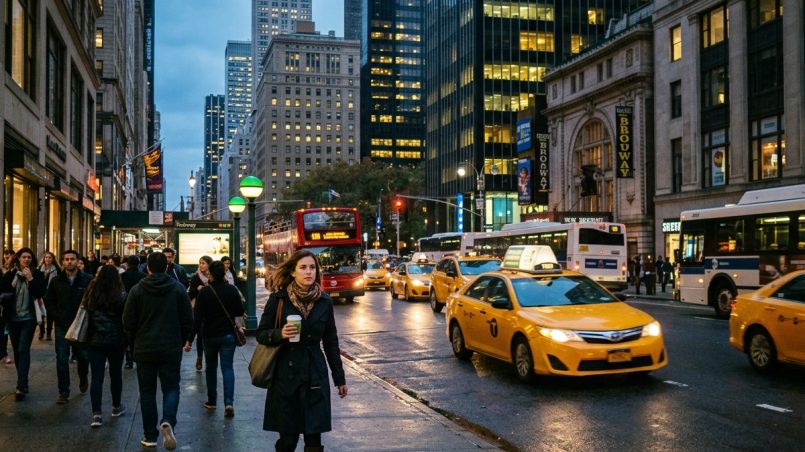
New York City, often called “The City That Never Sleeps,” offers a unique blend of opportunities and challenges. Whether you’re a newcomer or a long-time resident, understanding the essentials of living in NYC can help you thrive in this vibrant metropolis. For those seeking professional assistance in navigating the NYC real estate market, Howard Hanna NYC stands out as a reputable firm. Specializing in the New York City area, they offer comprehensive services to help clients find their ideal homes. Their team of experienced New York City NY real estate agents Elegran Real Estate provides personalized guidance tailored to individual needs.
Understanding the Cost of Living
Living comfortably in New York City requires a substantial income. A recent study indicates that a single adult needs to earn approximately $158,954 annually to cover basic necessities and discretionary spending. This figure encompasses housing, groceries, utilities, transportation, and savings.
It’s also important to note that while these averages provide a baseline, actual costs can vary dramatically depending on your specific lifestyle choices and neighborhood. For example, dining out frequently, attending concerts, or choosing designer shopping venues will significantly raise costs. On the other hand, NYC offers many free and low-cost cultural resources, such as museums with suggested donation policies, free public library programs, and affordable community events. Budgeting apps and cost-sharing with roommates can also help manage living expenses more sustainably.
Housing: Finding Your Space
Securing housing in NYC can be competitive. The introduction of the FARE Act in June 2025 shifted broker fees from renters to landlords, altering the rental landscape. However, many landlords have adjusted by incorporating these costs into higher monthly rents. Additionally, most landlords require tenants to have an annual income of at least 40 times the monthly rent.
With over 3 million housing units, the city spans a unique range of choices, from luxury condos in Manhattan’s Financial District to brownstones in Brooklyn’s Park Slope and affordable co-ops in outer boroughs like Queens and the Bronx. Rent-stabilized apartments offer protections against steep rent increases, while affordable housing lotteries can provide options for those who qualify based on income. Because of the high demand, rental units are often shown in open houses and may receive multiple applications within days of listing. If you are considering buying, working with an experienced real estate agent is essential for navigating co-op boards, condo associations, and ever-changing mortgage requirements.
Plan ahead for additional costs, too. Move-in fees, application charges, renters’ insurance, and utility deposits can add up quickly. Many buildings have their own unique rules and restrictions, such as pet policies, guest policies, and subletting guidelines. Doing thorough research and preparing your paperwork in advance will help streamline the process.
Transportation: Navigating the City
New York City’s extensive public transportation system is both a convenience and a necessity. The Metropolitan Transportation Authority (MTA) operates subways, buses, and commuter trains, providing access to all five boroughs and beyond. Investing in a monthly MetroCard can save frequent travelers money.
The subway alone serves over 4 million riders daily and is considered one of the most efficient means of getting around. However, riders should also be prepared for service changes, delays, or unexpected repairs, especially on weekends. Bicycle commuting is increasingly popular, supported by the Citi Bike program, which offers both single-ride and annual memberships. For those who need to travel regionally, commuter rail lines like the Long Island Rail Road (LIRR), Metro-North, and NJ Transit provide access to surrounding suburbs. Many New Yorkers also use ride-share apps, yellow cabs, and ferries, but keep in mind that parking is expensive and traffic congestion is common.
Employment Opportunities
The city’s diverse economy spans finance, technology, healthcare, and the arts. Networking is crucial; attending industry events and joining local professional groups can open doors. Online platforms like LinkedIn and local job boards are valuable resources for job seekers.
NYC is home to numerous Fortune 500 companies, internationally recognized non-profits, innovative tech startups, and creative arts institutions. Building a strong personal brand, tailoring your résumé for each opportunity, and scheduling informational interviews can make a significant difference in landing the right position. The gig economy is thriving, with plenty of opportunities for freelance work, remote gigs, and part-time positions in hospitality, delivery, and fitness. Local organizations and workforce development centers offer free workshops, résumé reviews, and assistance to help those seeking to break into new fields.
Healthcare: Staying Healthy
Access to quality healthcare is vital. NYC boasts world-class facilities, including NYU Langone and Memorial Sloan Kettering. Recent efforts have reduced primary care wait times in the public system to an average of nine days, down from 21 days in 2025.
Many neighborhoods also feature urgent care centers, walk-in clinics, and specialized practices, making it easier to find the right care for your needs. For those who are uninsured or underinsured, NYC Health + Hospitals operates clinics and hospitals throughout the five boroughs with sliding-scale fees based on income. Pharmacy services are ubiquitous, and telehealth has also become increasingly popular, offering remote consultations across medical and mental health care. Staying proactive about your health can help you make the most of the city’s resources.
Education: Learning Opportunities
For families, education is a top priority. NYC’s specialized public high schools, including Stuyvesant and Bronx Science, are nationally competitive. Elite private options like Trinity School and Horace Mann offer alternatives, though they come with higher tuition.
More than 1 million students are enrolled in the city’s public school system, including highly sought-after gifted-and-talented programs. Charter schools and magnet schools offer specialized curricula. For adult learners, the city offers language schools, continuing education classes, and renowned universities such as Columbia and NYU. Community education programs and public libraries further expand learning opportunities for residents of all ages and backgrounds.
Safety and Quality of Life
Safety perceptions vary across the city. While some areas have seen improvements, a 2024 survey found that only 30% of residents rated their quality of life as “excellent” or “good,” a decline from 50% in 2017. Staying informed about local developments and engaging with community initiatives can enhance your living experience.
Community boards, neighborhood associations, and local NYPD precincts host meetings to address resident concerns and share updates. Participating in these gatherings can deepen your sense of connection and help build a support network. Residents are advised to stay updated on city advisories, be mindful of their surroundings, and use crime-mapping tools when considering new neighborhoods. Volunteering, attending cultural festivals, and supporting local businesses can also help improve community life and foster a sense of belonging in this vast, diverse city.
Green Spaces: Enjoying the Outdoors
Despite its urban density, NYC offers ample green spaces. Central Park, Riverside Park, and the High Line provide residents with areas to relax and engage in outdoor activities. Notably, 99% of residents live within a 10-minute walk of a park, the highest percentage among major U.S. cities.
Community gardens, waterfront promenades, and biking paths are just a few more examples of how the city balances concrete and nature. The Parks Department hosts free public events throughout the year, including yoga classes, concerts, and outdoor movie nights. Seasonal activities such as ice skating, kayaking, and open-air markets draw both locals and tourists alike. Access to these spaces not only supports physical health but also mental well-being, making them an essential part of city living.
Embracing the dynamic nature of New York City requires adaptability and resourcefulness. By staying informed and proactive, you can make the most of what this iconic city has to offer.