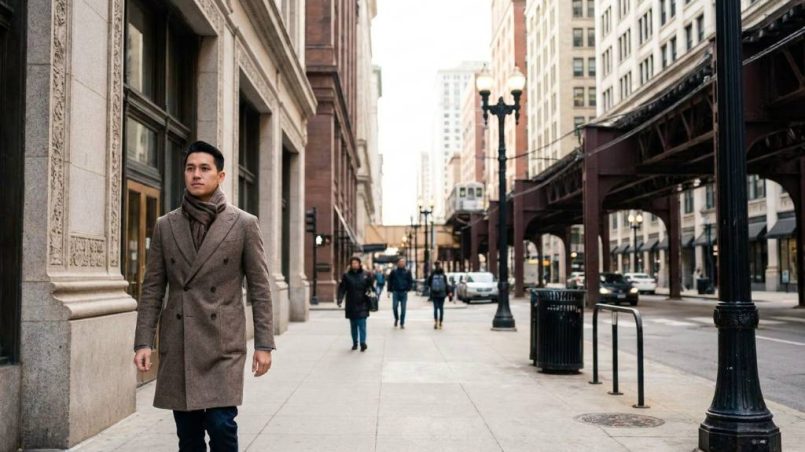
Fashion-focused television shows work brilliantly in Chicago because diverse weather demands versatile, multi-layered wardrobes across every season. The city blends historic Midwestern industrial heritage with cutting-edge streetwear and high-end luxury retail. This unique urban backdrop allows characters to express evolving personal identities through bold styling choices.
Metropolitan cities offer distinct aesthetic environments that shape television style culture in unexpected ways. Recent entertainment market surveys show that 76 percent of urban viewers admire authentic seasonal fashion in television. In addition, 68 percent of devoted fans actively replicate character outfits after watching weekly episodes. Audiences looking for groundbreaking fashion teen drama shows appreciate Chicago’s sharp mix of Midwestern grit and haute couture. Exploring these creative design choices explains why local aesthetic storytelling captivates audiences.
Key Takeaways
- Seasonal Versatility: Four distinct seasons inspire dynamic, layered wardrobe designs across every episode.
- Architectural Contrast: Industrial brick warehouses and sleek modern towers frame striking high-fashion ensembles.
- Streetwear Integration: Local urban culture infuses luxury garments with rebellious, grounded streetwear authenticity.
- Character Symbolism: Wardrobe choices visually communicate personal evolution, social status, and hidden loyalties.
- Economic Realism: Blending designer couture with vintage thrifted pieces reflects believable adolescent styling.
- Cultural Innovation: Thriving local arts communities supply distinctive textile patterns and avant-garde designs.
Four-Season Weather Demands Dynamic Wardrobe Layering
Dramatic seasonal shifts force costume designers to innovate beyond standard summer wardrobe templates. Autumn sequences highlight wool trench coats, tailored cashmere scarves, and custom leather boots along breezy avenues. Therefore, changing weather patterns create visual variety that keeps fashion enthusiasts engaged throughout the season.
Winter storylines introduce dramatic outerwear that doubles as emotional armor for guarded characters. Puffer jackets, structured shearling coats, and designer mittens frame frosty hallway confrontations between fierce rivals. In contrast, springtime episodes showcase lighter linen suiting and vibrant silk prints across blooming city parks.
Layering allows stylists to create intricate textures that catch camera lighting beautifully. Characters peel away heavy overcoats to reveal elegant formal wear during evening gallery galas. Consequently, costume transitions mirror emotional reveals as protagonists strip away their defensive social masks.
Furthermore, realistic winter weather grounds glamorous high-society storylines in tangible physical realities. Characters battle chilly lakeside gusts while maintaining their impeccable styling and poised social composure. This physical resilience adds authentic charm to ambitious teen characters navigating dramatic city life.
Architectural Contrasts Create Dramatic Visual Runways
The city’s striking skyline and historic neighborhoods provide magnificent backdrops for high-fashion television cinematography. Soaring glass skyscrapers contrast dramatically with century-old brick masonry along elevated train corridors. Thus, every city block functions as a cinematic runway for stylish adolescent ensembles.
Industrial rehabilitation projects mirror environmental cleanup efforts like groundwater remediation fuel spills across modern urban landscapes. Designers frequently stage underground fashion shows inside repurposed timber lofts and former factory buildings. These gritty, textured venues make avant-garde designer collections feel rebellious, modern, and exciting.
Historic lakefront promenades also offer grand vistas for dramatic confrontations between competing school factions. Flowing trench coats billow against dramatic lake breezes, accentuating character movements during tense dialogue scenes. As a result, architecture and fashion combine to create unforgettable visual compositions on screen.
Additionally, gilded ballroom interiors host lavish debutante balls and high-stakes charity fundraisers. Glistening crystal chandeliers reflect off metallic couture gowns, creating breathtaking frames filled with glamorous opulence. Visual juxtaposition between vintage grandeur and modern youth fashion elevates the entire series.
Midwestern Streetwear Blends with Luxury Designer Labels
Chicago possesses a rich cultural heritage that seamlessly merges high luxury with authentic streetwear. Characters frequently pair tailored French blazers with rare limited-edition sneakers and custom denim pieces. Therefore, fashion in these series reflects an effortless coolness that resonates with contemporary youth culture.
Careful craftsmanship in clothing mirrors what happens during sash window restorations in historic architectural districts. Tailors, designers, and artisans pour meticulous attention into every stitch and structural silhouette. Consequently, viewers appreciate the genuine artistic dedication behind both everyday outfits and couture showpieces.
Underground music scenes heavily influence the aesthetics embraced by teenage protagonists on screen. Graphic tees, oversized hoodies, and heavy silver chains express musical passion and artistic rebellion. Thus, costume designers capture the pulse of real youth subcultures rather than relying on clichés.
Moreover, local boutique culture encourages characters to express unique individuality over mindless corporate conformity. Protagonists scout independent designers to craft distinctive looks that intimidate their more conventional peers. This creative independence makes fashion a powerful narrative weapon in social warfare.
Costume Choices Signal Shifting Character Alliances
In serialized drama, a wardrobe change often communicates far more than a page of spoken dialogue. When a quiet protagonist embraces daring colors, audiences recognize an imminent bid for social supremacy. Costume design functions as a silent narrative compass tracking character development across multi-season arcs.
Just as families carefully compare neighborhoods buying home properties to match their aspirations, characters select clothing to fit desired social circles. A scholarship student adopting prep school blazers signals an intense desire for institutional acceptance. Conversely, an elite heir dressing down signifies intentional rebellion against stifling family obligations.
Matching color schemes during school events highlight unified alliances between powerful friend groups. When former best friends suddenly clash in complementary hues, viewers anticipate explosive social fallout. Screenwriters and stylists collaborate closely to ensure visual cues foreshadow upcoming dramatic betrayals.
Furthermore, costume degradation visually reflects personal breakdown during intense emotional crises. Wrinkled shirts and neglected ties reveal unravelling composure long before a character admits defeat. This attention to detail enriches character arcs and deepens audience empathy substantially.
Independent Boutiques and Thriving Fashion Districts
Vibrant shopping corridors across historic neighborhoods provide ideal settings for pivotal character interactions. Friends gather in bespoke boutiques to gossip while trying on extravagant outfits for upcoming parties. Hence, boutique dressing rooms serve as intimate confessionals where critical secrets are revealed.
Emerging student designers frequently host pop-up trunk shows in trendy arts districts. These events create natural competition as aspiring creators vie for attention from wealthy benefactors. Narrative stakes rise when artistic integrity clashes directly with commercial survival in competitive markets.
Vintage thrift hunting sequences allow working-class characters to showcase their creative styling genius. Combining thrifted retro jackets with modern accessories demonstrates that genuine taste cannot simply be bought. These shopping excursions celebrate sustainable fashion while validating the resourcefulness of humble protagonists.
In addition, retail internships introduce characters to the demanding realities of the global fashion industry. Ambitious teens navigate difficult bosses, intense runway deadlines, and cutthroat peers behind corporate desks. These workplace subplots broaden the drama beyond simple classroom rivalries into professional adulthood.
Economic Contrasts Reflect Authentic Youth Styling
Economic diversity provides fertile ground for rich character exploration and dramatic interpersonal conflict. Wealthy heirs flaunt rare couture pieces funded by multi-generational family trusts and corporate dynasties. Meanwhile, resourceful scholarship peers reinvent budget garments through custom alterations and ingenious styling.
This economic divide creates compelling tension when social groups collide at mandatory school functions. Subtle judgment over brand labels exposes systemic elitism within prestigious private academies. Audiences root for innovative underdogs who outshine entitled aristocrats through sheer creative vision.
Mutual styling collaborations frequently build unexpected bridges between characters from opposing socioeconomic backgrounds. An elite socialite borrowing vintage jewelry from an artistic outsider fosters genuine cross-class bonding. These shared creative moments humanize privileged characters while empowering talented protagonists.
Ultimately, fashion serves as the universal language through which youth explore identity, ambition, and belonging. When television shows honor this dynamic with thoughtful costume curation, viewers reward them with passionate devotion. Chicago provides the perfect gritty, glamorous stage for these timeless coming-of-age stories.
Conclusion
Fashion-focused television series thrive in Chicago by combining architectural majesty, dramatic weather, and vibrant streetwear culture. The city’s unique cultural tapestry allows characters to express layered identities through inventive costume choices. Audiences seeking visually stunning narratives will discover endless inspiration in these dynamic Midwestern broadcasts.
Start streaming these stylish television masterpieces tonight to refresh your seasonal wardrobe inspiration. Discuss your favorite designer looks with style-savvy friends and analyze the hidden symbolism together. Dive into the thrilling intersection of fashion and drama across your favorite streaming platforms.
Frequently Asked Questions
Why does Chicago provide an ideal setting for fashion dramas?
The city combines dramatic seasonal weather, historic architecture, industrial lofts, and a thriving streetwear culture.
How does seasonal weather enhance television costume design?
Four distinct seasons allow costume designers to showcase creative outerwear, intricate layering, and diverse fabric textures.
What role does streetwear play in Midwestern television fashion?
Streetwear infuses traditional luxury garments with authentic urban grit, individual rebellion, and contemporary youthful energy.
How do costume designers use wardrobe changes to show character growth?
Changes in color, silhouette, and garment tailoring visually telegraph shifts in social status, confidence, and alliances.
Why do audiences enjoy fashion rivalries between differing economic classes?
Class rivalries highlight personal creativity versus unearned wealth, allowing innovative underdogs to challenge entitled elites.