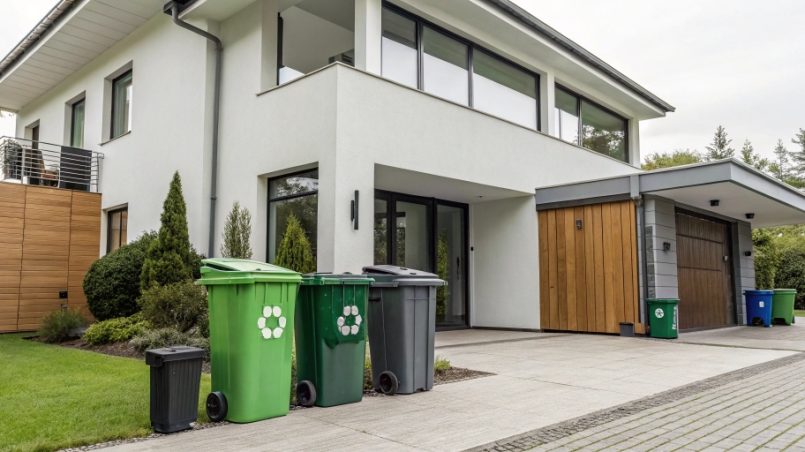
Creating a safe, sustainable environment at home begins with responsible waste management. Keeping living and workspaces free of debris is not just about cleanliness; it also plays a vital role in health, safety, and ecological preservation. For homeowners seeking informative ways to approach debris removal, resources like Debris Hauling can help them understand available solutions and processes for proper waste handling at home.
Whether you’re tackling a renovation, updating your landscaping, or sorting out accumulated clutter, knowing how to manage different kinds of household waste is important. This knowledge helps you reduce hazards, improve living spaces, and protect the surrounding environment by using disposal methods that comply with local guidelines and prioritize sustainability.
Improperly managed debris can affect everything from indoor air quality to the longevity of your property. Observing best practices not only safeguards your well-being but also lessens your home’s environmental impact. Modern solutions now include sustainable options, making it easier for families to make responsible choices that align with green initiatives.
For business owners or property managers with larger projects, coordinating waste removal on a bigger scale is equally important. Services such as commercial hauling services can simplify the process and ensure professional compliance, reducing legal and environmental risks associated with large-scale debris handling.
Importance of Debris Management
Effective debris management is essential to a healthy, attractive living environment. Allowing waste to accumulate inside or outside the home can cause physical hazards, promote the growth of mold or bacteria, and attract rodents or insects. Clean, organized spaces reduce these threats, creating a safer environment for residents and visitors. Adopting proper debris management can also support broader community efforts that encourage shared environmental responsibility and beautification.
Common Types of Household Debris
The types of waste that accumulate around homes can vary depending on the property type and the activities conducted. Nonetheless, some of the most frequently encountered debris includes:
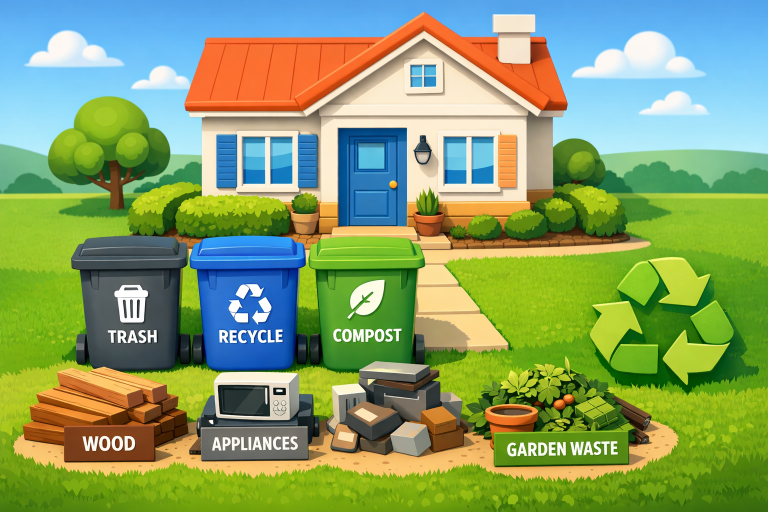
- Construction and renovation materials (such as wood, insulation, tiles, drywall, and bricks)
- Old furniture and broken appliances
- Yard and garden waste (tree branches, grass clippings, leaves, and soil)
- Hazardous waste (paint cans, cleaning chemicals, batteries, and electronics)
Recognizing these categories helps homeowners sort and manage debris safely and efficiently, ensuring proper disposal and recycling.
Health and Safety Risks Associated with Debris
Neglected debris poses numerous risks to both people and property. Piles of unused materials may cause tripping accidents or block emergency exits. Hazardous substances, such as old solvents and paints, can emit fumes, contaminate surfaces, and negatively affect indoor air quality. Debris outside the home may attract unwanted pests, creating additional hazards like bites or property damage. Flammable items that are not managed properly can also pose a fire threat. These issues highlight the need for prompt and responsible cleanup.
Sustainable Debris Management Practices
Incorporating sustainable practices during debris management benefits both the environment and the homeowner. This approach can involve minimizing disposable waste, prioritizing material reuse, and donating usable items. The Environmental Protection Agency (EPA) highlights how sustainable materials management strategies help conserve resources and reduce landfill use. To learn more, visit the EPA’s Sustainable Materials Management: Non-Hazardous Materials and Waste Management Hierarchy, which outlines ways to handle common types of household debris responsibly.
Recycling and Reusing Materials
Recycling and reusing suitable materials offers a straightforward route to sustainability at home. Items such as clean wood, glass, scrap metal, and some construction materials can be recycled through local services. Older appliances may be refurbished or donated if still functional. Creative homeowners can even transform salvaged items into new furniture or garden structures, giving discarded materials a second life. These efforts help keep reusable materials out of landfills and support community-oriented recycling programs. For additional recycling tips and trends, you may consult the New York Times guide to recycling, which presents helpful advice for effective household recycling.
Professional Debris Removal Services
Professional services not only streamline the debris-clearing process but also ensure that waste is handled in accordance with local laws. These companies can segregate recyclable materials from trash, haul away bulky items such as furniture or appliances, and properly dispose of hazardous substances. This arrangement is particularly advantageous for larger projects or for individuals with mobility challenges, reducing risks while promoting orderly project completion.
Legal and Regulatory Considerations
Every municipality has its own rules governing trash disposal, recycling, and landfill use. Homeowners and renovation contractors must understand what is allowed locally to prevent illegal dumping and avoid fines. These regulations help protect public health, reduce strain on waste facilities, and preserve natural resources. When in doubt, local government websites and professional removal services can provide guidance and insight to ensure legal compliance when disposing of debris.
Conclusion
Debris management is an essential part of maintaining a safe, pleasant, and environmentally friendly home. By properly sorting, recycling, and using professional services when necessary, households can manage debris efficiently while supporting community well-being and ecological sustainability. Leveraging available resources and knowledge, every homeowner can adopt practices that benefit their property and the broader environment for years to come.