Galantine represents one of the most elegant dishes in classical French cuisine. This sophisticated preparation involves deboning poultry or meat, stuffing it with forcemeat, and presenting it cold in its natural jelly. When planning a banquet-style menu, galantine serves as an impressive centerpiece that demonstrates culinary expertise and attention to detail.
Understanding Galantine in Banquet Settings
Galantine differs from other cold meat preparations through its unique assembly method. Chefs carefully debone the protein while keeping the skin intact. They then fill it with a seasoned mixture before poaching and chilling. The result is a beautifully sliced presentation that reveals intricate patterns of meat and stuffing.
Banquet service requires dishes that maintain quality while serving large groups. Galantine excels in this environment because it is prepared entirely in advance. This characteristic allows kitchen staff to focus on other menu components during service. Additionally, the dish holds its temperature and appearance for extended periods on buffet tables.
Classic Protein Choices for Your Galantine
Chicken galantine remains the most traditional option for banquet menus. The mild flavor accepts various seasonings and pairs well with different accompaniments. Furthermore, chicken appeals to a broad audience and fits most dietary preferences.
Duck galantine offers a richer alternative with deeper flavors. The dark meat provides moisture and stands up to bold seasonings like orange, cherry, or peppercorn. However, duck carries a higher fat content that some guests may find heavy.
Turkey galantine works exceptionally well for larger banquets. The size of turkey allows for impressive presentations that feed many guests. Moreover, turkey provides both white and dark meat options within a single preparation.
Pork galantine delivers robust flavors and pairs beautifully with fruit-based accompaniments. The meat’s natural sweetness complements apricots, prunes, and apples. Therefore, pork galantine suits autumn and winter banquet themes particularly well.
Starter Course Pairings
Begin your banquet menu with light, refreshing options that prepare guests for the galantine. A mixed green salad with citrus vinaigrette cleanses the palate effectively. The acidity cuts through rich flavors while the greens provide textural contrast.
Chilled vegetable terrines create visual harmony with galantine presentations. Layered preparations of roasted peppers, zucchini, and eggplant echo the technique used in galantine preparation. Additionally, these vegetarian options accommodate diverse dietary needs.
Clear consommé serves as an elegant liquid starter. The delicate broth warms guests without filling them before the main presentation. French onion soup offers a heartier alternative for cold-weather events.
Complementary Side Dishes
Asparagus spears dressed in lemon butter provide color and freshness alongside galantine. The vegetable’s natural elegance matches the sophistication of the main dish. Similarly, green beans almondine offer crunch and visual appeal.
Potato preparations should remain simple to avoid competing with the galantine. Herb-roasted fingerling potatoes or potato gratin work beautifully. These options provide substance without overwhelming the plate.
Grain salads incorporating farro, quinoa, or wild rice add textural variety. Mix grains with dried fruits, nuts, and fresh herbs for complexity. According to Bon Appétit, grain salads remain popular choices for elegant gatherings because they can be served at room temperature.
Seasonal vegetables roasted with olive oil and herbs round out the plate. Root vegetables work well in cooler months, while summer squash and tomatoes suit warm-weather events. Therefore, adjust your vegetable selections based on availability and season.
Sauce and Condiment Selections
Cumberland sauce stands as the classic accompaniment for galantine. This traditional preparation combines red currant jelly, orange, lemon, port wine, and spices. The sweet-tart profile balances the richness of the meat perfectly.
Whole grain mustard provides a simple yet effective pairing. The mustard’s acidity and slight heat cut through fat while adding textural interest. Furthermore, mustard appeals to guests who prefer straightforward flavors.
Fruit chutneys offer versatility and can be matched to your protein choice. Apple chutney complements pork galantine, while cherry chutney enhances duck preparations. These preserves add sweetness and acidity simultaneously.
Herb aioli provides a modern twist on traditional pairings. Blend mayonnaise with fresh herbs like tarragon, chervil, or dill. This creamy accompaniment appeals to contemporary palates while maintaining elegance.
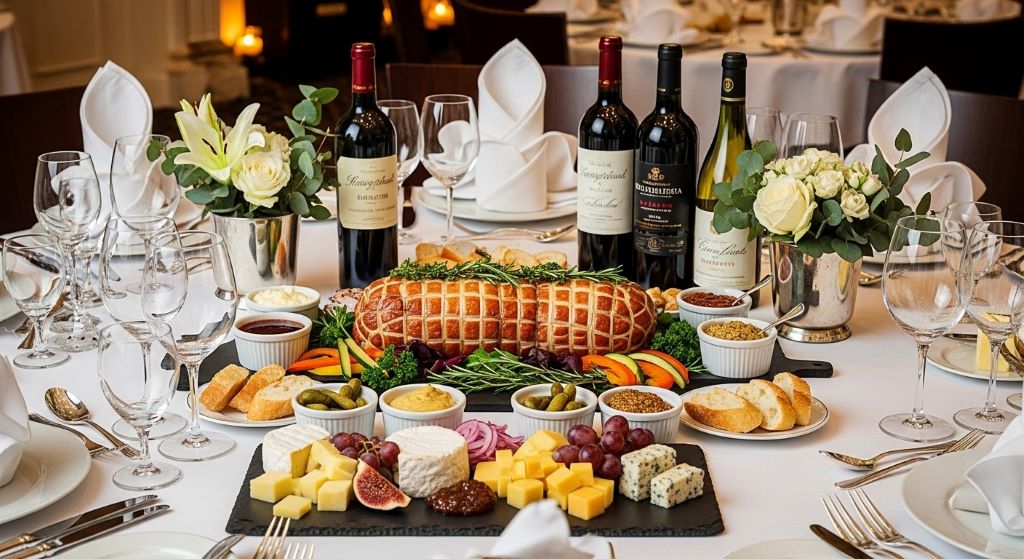
Bread and Cracker Options
Crusty baguette slices remain the most traditional bread choice. The neutral flavor and crispy texture support the galantine without distraction. Additionally, baguettes slice uniformly for consistent presentation.
Artisan crackers add sophistication to buffet displays. Choose varieties with seeds, herbs, or whole grains for added interest. However, avoid heavily flavored options that might clash with the galantine’s seasonings.
Brioche toast points offer a luxurious alternative. The slightly sweet, buttery bread enhances rich galantine preparations. Toast the brioche lightly to maintain structural integrity when topped with meat.
Beverage Pairings
White wines pair exceptionally well with most galantine preparations. Chardonnay’s buttery notes complement chicken galantine, while Riesling’s acidity balances richer duck versions. According to Wine Enthusiast, serving wine at proper temperatures enhances the dining experience significantly.
Light red wines suit pork and duck galantine preparations. Pinot Noir offers fruit-forward flavors without overwhelming tannins. Beaujolais provides a slightly chilled option that refreshes between bites.
Champagne or sparkling wine elevates any banquet menu. The bubbles cleanse the palate while adding celebration to the occasion. Therefore, sparkling wine serves as a versatile choice throughout the meal.
Non-alcoholic options should include sparkling water, iced tea, and fruit-infused waters. These beverages refresh guests without competing with food flavors. Furthermore, providing quality non-alcoholic choices demonstrates consideration for all guests.
Dessert Course Considerations
Follow your galantine banquet with light, palate-cleansing desserts. Fruit tarts showcase seasonal produce while providing sweetness without heaviness. Lemon posset or panna cotta offer creamy textures that satisfy without overwhelming.
Cheese courses bridge the gap between savory galantine and sweet desserts. Select three to five cheeses with varying textures and intensities. Accompany them with fresh fruit, nuts, and honey for a sophisticated finish.
Chocolate preparations work well if your galantine menu leans lighter. Dark chocolate mousse or flourless chocolate cake provide richness as a final course. However, skip chocolate if your main course features heavy sauces or rich stuffings.
Presentation and Serving Tips
Slice galantine consistently for professional presentation. Use a sharp knife and wipe it clean between cuts. Arrange slices slightly overlapping on platters for visual appeal.
Garnish platters with fresh herbs, edible flowers, or citrus segments. These decorative elements add color while hinting at flavor profiles. Additionally, garnishes make buffet tables more inviting and photogenic.
Maintain proper serving temperatures throughout your event. Galantine should remain chilled but not ice-cold, as extreme cold mutes flavors. Use chafing dishes with ice pans rather than refrigeration during service.
Label all dishes clearly for guests with dietary restrictions. Include ingredients that commonly cause allergies or sensitivities. This practice demonstrates professionalism and care for guest wellbeing.
Conclusion
Planning a banquet menu around galantine requires thoughtful consideration of flavors, textures, and practical service elements. This classic French preparation impresses guests while allowing kitchen staff to prepare components in advance. Pair your galantine with light starters, complementary sides, and appropriate sauces to create a cohesive dining experience. Consider your protein choice carefully and adjust accompaniments to match seasonal ingredients and guest preferences. With proper planning and attention to detail, galantine anchors an elegant banquet menu that guests will remember long after the event concludes.
Frequently Asked Questions
What is the difference between galantine and ballotine?
Galantine is always served cold and presented in its natural aspic or jelly. Ballotine can be served hot or cold and refers to a similar preparation where meat is deboned, stuffed, and rolled. The cooking and serving temperatures distinguish these two classical preparations.
How far in advance can I prepare galantine for a banquet?
You can prepare galantine up to three days before your event when stored properly in refrigeration. This advance preparation makes galantine ideal for large gatherings. The flavors actually develop and improve over the first 48 hours after preparation.
What wines pair best with chicken galantine?
Chardonnay, Sauvignon Blanc, and dry Riesling all pair excellently with chicken galantine. These white wines provide enough body to match the dish without overwhelming its delicate flavors. Champagne also makes an elegant choice for special celebrations.
Can galantine accommodate dietary restrictions?
Traditional galantine contains meat and sometimes egg in the forcemeat, limiting its suitability for vegetarians and vegans. However, you can prepare vegetable galantine alternatives using layered vegetables and agar-agar instead of meat gelatin. Always clearly label ingredients for guests with restrictions.
What temperature should galantine be served at?
Galantine should be served chilled but not ice-cold, ideally around 45-50 degrees Fahrenheit. This temperature range allows the flavors to express themselves fully while maintaining food safety. Remove galantine from refrigeration 15-20 minutes before service for optimal taste.
Related Topics:
HOW DOES FOOD CROSS CONTAMINATION OCCUR?