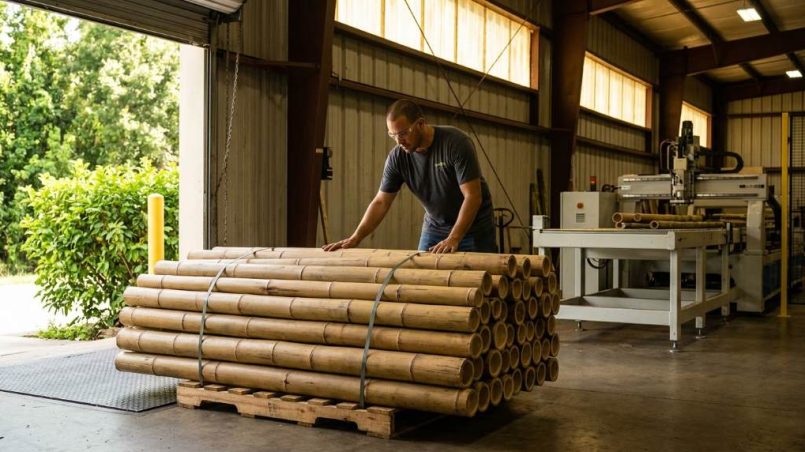
Manufacturing across Florida continues to evolve as companies seek smarter production methods and stronger environmental performance. Recent industry reports show that consumers increasingly prefer sustainable products, while businesses face growing pressure to reduce waste. As a result, manufacturers now explore renewable resources across multiple sectors. Many companies also research plant based plastic bottle alternatives to reduce dependence on traditional petroleum materials. Therefore, renewable materials have become an important part of long term manufacturing strategies throughout the state.
The Growing Demand for Renewable Materials in Florida
Florida manufacturers operate in a unique business environment shaped by tourism, agriculture, logistics, and construction. Consequently, buyers increasingly expect products with lower environmental impacts. Many companies now view renewable materials as both a sustainability tool and a business advantage. As market expectations shift, manufacturers adapt to maintain competitiveness and customer trust.
Consumer awareness has expanded significantly during recent years. People actively research product origins and environmental impacts before purchasing. Furthermore, many organizations adopt sustainability goals that influence supplier selection. Similar trends appear in residential projects that focus on make your home more eco friendly solutions, creating broader demand for responsible manufacturing practices.
Government incentives also encourage businesses to explore cleaner production methods. Although regulations vary by industry, sustainability initiatives continue gaining momentum. Many manufacturers receive benefits through energy efficiency programs and waste reduction efforts. Therefore, renewable materials often support both environmental and financial objectives.
How Florida’s Climate Influences Material Choices
Florida’s climate creates specific challenges that manufacturers cannot ignore. High humidity, strong sunlight, coastal exposure, and seasonal storms affect product performance. Therefore, material selection plays a critical role in durability and customer satisfaction. Companies increasingly seek renewable options designed to withstand these demanding conditions.
Managing Humidity and Moisture
Moisture presents ongoing challenges across many manufacturing sectors. Traditional materials sometimes degrade faster in humid environments. Consequently, manufacturers evaluate renewable composites that offer improved resistance while reducing environmental impacts. These materials often perform well in products used throughout Florida’s coastal regions.
Many facilities also examine operational sustainability beyond product design. Water management remains an important consideration for efficient production environments. Likewise, businesses that understand how to prevent your drains from becoming blocked often strengthen broader resource management practices within manufacturing facilities.
Reducing Heat Related Material Stress
Florida’s intense sunlight can accelerate wear in certain materials. Therefore, manufacturers seek renewable alternatives that maintain performance under high temperatures. Research continues to improve bio based materials for outdoor applications. As a result, more industries can confidently adopt sustainable solutions without sacrificing quality.
Key Renewable Materials Gaining Popularity
Manufacturers across Florida now use several renewable resources in production processes. These materials offer environmental benefits while supporting product innovation. Furthermore, ongoing research continues improving their performance characteristics. Businesses increasingly recognize their potential across diverse applications.
- Bamboo based composites
- Agricultural fiber materials
- Recycled paper products
- Bio based plastics
- Cork derived materials
- Wood fiber composites
- Plant sourced packaging materials
Each option serves different manufacturing needs and product categories. Consequently, businesses often evaluate several materials before implementation. Product requirements, durability expectations, and supply chain considerations influence final decisions. Therefore, successful adoption requires careful planning and testing.
Economic Benefits Driving Adoption
Cost considerations remain a major factor in manufacturing decisions. Although some renewable materials require higher initial investments, long term savings often justify the transition. Businesses frequently reduce waste disposal costs and improve operational efficiency. As a result, sustainability initiatives can strengthen profitability.
Supply chain resilience also influences material selection. Companies increasingly seek alternatives to volatile petroleum based resources. Renewable materials can provide greater sourcing flexibility in certain industries. Therefore, businesses gain additional protection against market disruptions and price fluctuations.
Brand reputation delivers another valuable benefit. Customers often reward environmentally responsible companies with stronger loyalty. Moreover, sustainable products can attract new market segments. This advantage helps manufacturers differentiate themselves in competitive industries.
The Rise of Agricultural Waste Innovation
One overlooked reason behind Florida’s renewable material movement involves agricultural waste utilization. The state produces significant agricultural output each year. Consequently, manufacturers now explore ways to convert agricultural byproducts into useful materials. This approach creates value from resources that previously received limited attention.
Orange peels, sugarcane residue, and other agricultural leftovers offer promising opportunities. Researchers continue developing methods that transform these materials into packaging and composite products. Furthermore, local sourcing can reduce transportation requirements. Therefore, manufacturers improve sustainability across multiple stages of production.
This strategy creates a circular economy model that benefits both agriculture and manufacturing sectors. Farmers gain additional revenue opportunities from byproducts. Meanwhile, manufacturers access renewable material streams closer to production facilities. As a result, both industries strengthen long term sustainability.
Renewable Materials in Construction Manufacturing
Florida’s construction industry continues growing rapidly. Consequently, manufacturers supplying building products face increasing demand for sustainable solutions. Renewable materials now appear in insulation products, wall systems, flooring materials, and decorative elements. This trend supports broader sustainability goals throughout the construction sector.
Manufacturers also recognize that environmentally conscious property owners actively seek greener building products. Therefore, sustainable materials create valuable market opportunities. Many companies expand product lines to meet evolving customer preferences. This shift helps drive innovation across construction related manufacturing.
Facility improvements often reflect the same sustainability mindset. For example, businesses investing in durable surfaces may also research how to epoxy garage floor with decorative flakes when upgrading workspaces and operational environments.
Technology Is Accelerating Material Innovation
Advanced manufacturing technologies now support faster renewable material development. Digital modeling allows companies to test performance before large scale production begins. Consequently, businesses can identify potential issues earlier in the process. This approach reduces risk while improving efficiency.
Artificial intelligence and data analysis tools also contribute valuable insights. Manufacturers can evaluate material performance under various environmental conditions. Furthermore, predictive modeling helps optimize product design. Therefore, renewable materials become increasingly practical for commercial applications.
Research partnerships between universities and private companies continue driving innovation. Florida institutions actively support sustainability related development projects. As a result, manufacturers gain access to emerging technologies and specialized expertise. These collaborations accelerate market adoption across multiple industries.
Challenges Manufacturers Must Address
Despite strong momentum, renewable material adoption still presents challenges. Supply consistency remains a concern for some manufacturers. Therefore, businesses must carefully evaluate sourcing strategies before making significant transitions. Reliable supplier relationships play an important role in long term success.
Product testing also requires significant attention. Manufacturers must ensure renewable materials meet performance expectations and industry standards. Furthermore, customer satisfaction depends on consistent product quality. Consequently, thorough evaluation remains essential throughout implementation.
Employee training represents another important consideration. Production teams often need new skills when working with unfamiliar materials. However, many companies view training investments as worthwhile. Improved capabilities support future innovation and operational flexibility.
What the Future Looks Like for Florida Manufacturing
The shift toward renewable materials shows no signs of slowing. Consumer demand continues increasing while technology improves material performance. Furthermore, sustainability goals influence decisions throughout supply chains. These factors create strong momentum for continued adoption.
Manufacturers that invest early often gain valuable experience and market advantages. They develop expertise that supports future innovation opportunities. Moreover, sustainable practices strengthen resilience against changing market conditions. Therefore, renewable materials will likely remain central to manufacturing strategies.
Florida’s unique combination of agriculture, logistics infrastructure, research institutions, and growing consumer awareness creates favorable conditions for progress. As renewable technologies mature, businesses can access even more practical solutions. Consequently, manufacturers will continue finding new ways to improve both sustainability and profitability.
Conclusion
Manufacturers across Florida increasingly choose renewable materials because they support efficiency, sustainability, innovation, and long term growth. Climate conditions, customer expectations, agricultural opportunities, and technological advances all contribute to this transformation. Moreover, renewable resources help businesses strengthen supply chains while reducing environmental impacts. Companies that embrace these changes position themselves for future success. Now is the ideal time for manufacturers to evaluate renewable material options and build a stronger competitive advantage.
FAQs
Why are Florida manufacturers adopting renewable materials?
They use renewable materials to reduce environmental impacts, improve efficiency, and meet changing customer expectations.
What renewable materials are most common in manufacturing?
Bio based plastics, bamboo composites, agricultural fibers, and recycled paper products are widely used.
Does Florida’s climate affect material selection?
Yes, humidity, heat, and coastal conditions strongly influence manufacturing material choices.
Can renewable materials reduce production costs?
Many companies achieve long term savings through waste reduction and improved resource efficiency.
What makes agricultural waste valuable for manufacturers?
Agricultural byproducts can become useful materials for packaging, composites, and other products.