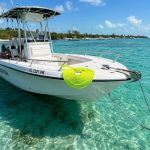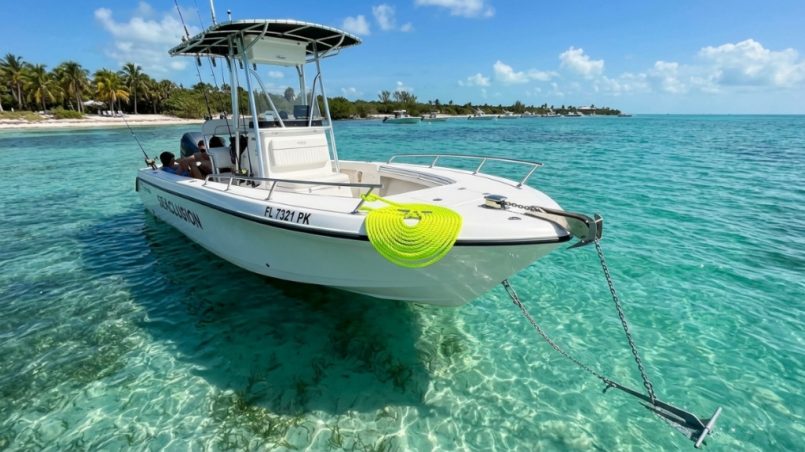
You are idling out of Jupiter Inlet, the Atlantic shimmering like a sheet of turquoise glass. You cut the engines, walk to the bow, and prepare to set the hook on your favorite wreck. Your anchor rope hits the water with a splash. But as you snub the line, you feel it: that awful, sickening stretch. The rope is old, frayed, and not right for these waters. This is the exact moment when choosing the wrong line becomes a costly mistake.
Florida’s boating environment is brutal on gear. The relentless UV rays, the abrasive limestone ledges, and the constant presence of shifting sandbars demand a specific type of line. The question isn’t just “which rope is cheapest,” but rather, what constitutes the absolute best value anchor rope for Florida boats. Value isn’t about the lowest price tag; it is about the perfect intersection of durability, stretch, and cost per season. In this guide, we break down the science of anchor lines, the materials that actually survive the Sunshine State, and how to select a rope that won’t let you down when the tide starts ripping.
What Specifically Makes a Rope Suitable for Florida’s Marine Environment?
A suitable anchor rope for Florida must resist UV degradation, withstand abrasion from rocky ledges and barnacle-encrusted structure, and maintain flexibility in high heat. Unlike northern lakes, Florida’s subtropical sun destroys standard nylon within a season if left exposed. The line must also have enough elasticity to absorb wave shock but not so much that it drags the anchor across a sandy bottom.
The Three Environmental Killers to Consider
Florida waters present three unique threats that dictate your rope choice. UV radiation is the number one culprit, breaking down polymer chains in cheap polypropylene instantly. Abrasion resistance is critical when anchoring near the reef tracts off Key Largo or the rocky outcroppings of the Gulf Coast. Finally, biological growth and saltwater intrusion can freeze a stiff rope, making it impossible to handle.
Why “Boat Length” isn’t the Only Metric
Many buyers focus solely on vessel length, but the displacement weight and windage of a center console versus a trawler are vastly different. A 24-foot bay boat in a 20-knot seabreeze demands a much thicker, heavier line than a 24-foot bass boat in a sheltered river. You need a rope that matches the holding power required, not just the length of your bow rail.
Defining “Value” Beyond the Price Tag
Here, value is measured in cost per successful anchorage. A cheap $20 line that snaps on the third use is a poor investment compared to a $60 line that lasts three seasons. For Florida boating, the value equation always includes longevity and reliability under stress, not just the initial cash outlay.
What Are the Top Rope Materials for Anchor Lines?
The top materials for anchor lines in Florida are Nylon (for shock absorption), Polyester (for low stretch and UV resistance), and blends that combine both properties. Polypropylene is generally the worst choice due to poor UV resistance and high float, which can cause it to tangle around the prop.
Nylon: The Shock Absorber Champion
Nylon is the traditional standard because it stretches significantly (up to 30% at breaking strength). This elasticity is a lifesaver in choppy seas, acting as a giant rubber band to keep the anchor set. The downside? Nylon is highly susceptible to UV degradation and loses strength when wet. You must inspect it relentlessly in Florida’s sun.
Polyester: The UV-Resistant Workhorse
Polyester stretches far less than nylon (around 12%) but offers superior resistance to the sun’s rays and abrasion. If you anchor in crystal-clear water over coral, polyester prevents the “sawing” effect that cuts nylon. It is the go-to for many Florida offshore anglers who use anchor ropes for deep wrecks where abrasion is the primary concern.
Polypropylene and Blends: Know the Risks
Polypropylene floats, which is helpful for retrieving a fouled anchor, but it is dangerous when used as a primary rode because it can float into your prop. Blended ropes (like a nylon core with a polyester jacket) attempt to bridge the gap, but they are expensive. For most inshore and nearshore boating, a good quality three-strand nylon or a premium double-braid polyester is the safest bet. Finding the best value anchor rope for Florida boats often means balancing these two polymers against your specific anchoring habits.
How Does Rope Diameter Affect Anchoring Performance?
Rope diameter directly impacts handling, stretch, and strength. A thicker rope is inherently stronger but also heavier and harder to manage on a windlass. The correct diameter ensures you have ample working load without turning your foredeck into a nightmare of bulky coils.
Calculating the Correct Diameter for Your Boat
A good rule of thumb is to match the diameter of your anchor rope to 1/8 inch of thickness for every 9 feet of boat length, but this varies. For a 20-footer, 3/8-inch is adequate for light use, while a 30-foot center console with a T-top should step up to 1/2 inch. This sizing assumes you have adequate scope (7:1) deployed.
The Relationship Between Diameter and “Feel”
Larger diameter ropes are easier on your hands reducing rope burn, but they store poorly in anchor lockers. They also create more drag through the water, which can pull the bow down in strong current. Smaller diameter lines (like 5/16-inch) are easier to throw but can cut into your hands and do not provide sufficient grip for the anchor clutch on rough days.
Breaking Strength vs. Working Load
Never confuse breaking strength with working load. The breaking strength is the point at which the rope snaps. The working load should be roughly 1/10th to 1/12th of the breaking strength to allow for shock loads. If your boat pulls at 1,000 pounds of static force, you need a rope with a breaking strength of 10,000 pounds or more.
When securing your equipment on deck, remember that proper handling applies to all marine gear just as you would maintain your climbing rope for years to ensure maximum strength and longevity.
How Much Anchor Rode Do You Actually Need in Florida?
In Florida, you need a minimum of 300 feet of anchor line for most offshore applications, but 600 feet is recommended for deep-water Gulf Stream anchoring. The “scope” ratio (length of line vs. depth of water) is critical for holding power, and Florida’s deep drop-offs require longer lines than you might think.
Understanding the 7:1 Scope Rule
For stormy conditions or overnight stays, a 7:1 scope is the standard. This means for 20 feet of water, you need 140 feet of rope. In Florida’s intercoastal, the water is shallow, but the current is fierce. In the Keys, the water is deep but the bottom is grassy and holds poorly, requiring extra scope to achieve the same hold.
Rope Length vs. Anchor Type
If you primarily use a Danforth anchor in sandy Florida bays, you need at least 300 feet to allow the flukes to dig in properly. If you use a plow anchor in grassy areas, the length can be shorter because the design sets faster. However, the line is your lifeline—more is always better in the long run.
Why Florida’s “Drop-Offs” Demand Longer Lines
The Gulf Stream runs close to the coast in South Florida. When you anchor for tuna or sailfish, you are often in 120 to 200 feet of water. A 300-foot line provides only a 2:1 scope, which is dangerous in a drift. Carrying 600 to 800 feet gives you proper holding without having to resort to a heavy chain rode to compensate.
Why Is Abrasion Resistance a Deal-Breaker in Florida?
Abrasion resistance is a deal-breaker because the bottom of the Florida coastline is not just sand. It is composed of jagged coral, barnacle-covered rocks, and sunken limestone that acts like sandpaper on your line. A rope without high abrasion resistance will fail quickly when snagged under a ledge.
Visual Signs of Abrasion Damage
You should check your line after every trip, especially if you anchored near the bridges in Tampa Bay or the reefs in Palm Beach. Look for “fuzzy” fibers, broken strands, or a flat spot on the rope. If you see a chalky residue, the line is breaking down from the inside out due to internal friction.
Polyester Jackets as Armor
Many premium lines now feature a polyester cover braided over a core. This jacket handles the scraping against the hull and the seafloor, while the core provides strength. If you do not have a jacketed line, you must use a rope chain splice to keep the rope off the bottom, but this is not always possible when anchoring in deep water.
Testing the “Bend” Factor
An abrasion-resistant rope should be supple. If it becomes stiff in cold water or develops a “memory” of the coil, it will not lay flat on the bottom but rather spring into a tangle. This is a critical flaw when anchoring in Florida’s swift tidal currents, as a stiff rope will lift the anchor shank out of the mud. Always flex a sample before buying.
How Do You Maintain an Anchor Rope to Extend Its Lifespan?
To extend lifespan, you must rinse the rope with fresh water after every saltwater trip, dry it in the shade, and store it out of direct sunlight. UV exposure does the most damage, so a locker that is closed and dark is essential. Additionally, you should re-cut the ends annually to expose fresh fiber ends and prevent unraveling.
The “Shake and Rinse” Method
After anchoring, do not just drop the wet rope into the locker. Uncoil it on the deck, rinse it thoroughly with the dock hose to remove salt crystals, and let it dry in the shade. Salt crystals act like tiny knives, cutting the fibers every time the rope bends. This simple step can double the life of your line.
How to Store Rope to Prevent Mildew and Rot
Even though modern ropes are synthetic and do not rot organically, they can grow mildew. Mildew creates a slippery film that makes the rope unsafe to handle. Store the rope in a well-ventilated locker, lifting it on a grate to allow air circulation. Never leave the rope in a pile on the engine hatch where it will absorb heat and exhaust fumes.
When to Retire a Rope
Mark your calendar. If you boat weekly in Florida, replace your anchor rope every 2 to 3 years, regardless of visual appearance. For occasional boaters, inspect before each season. If the rope has lost its “roundness” or feels flat, it has lost its core strength. When in doubt, throw it out—a snapped anchor rope in a current is a nightmare to recover.
Which Type of Rope Construction is Easier to Splice?
Three-strand twisted rope is the easiest to splice with traditional tools and is forgiving for DIY repairs. Double-braid rope requires more advanced splicing skills but results in a stronger, cleaner connection to the anchor chain. For the average boater, the easiest is three-strand nylon due to its flexibility in the splice fid.
Three-Strand: The Beginner’s Best Friend
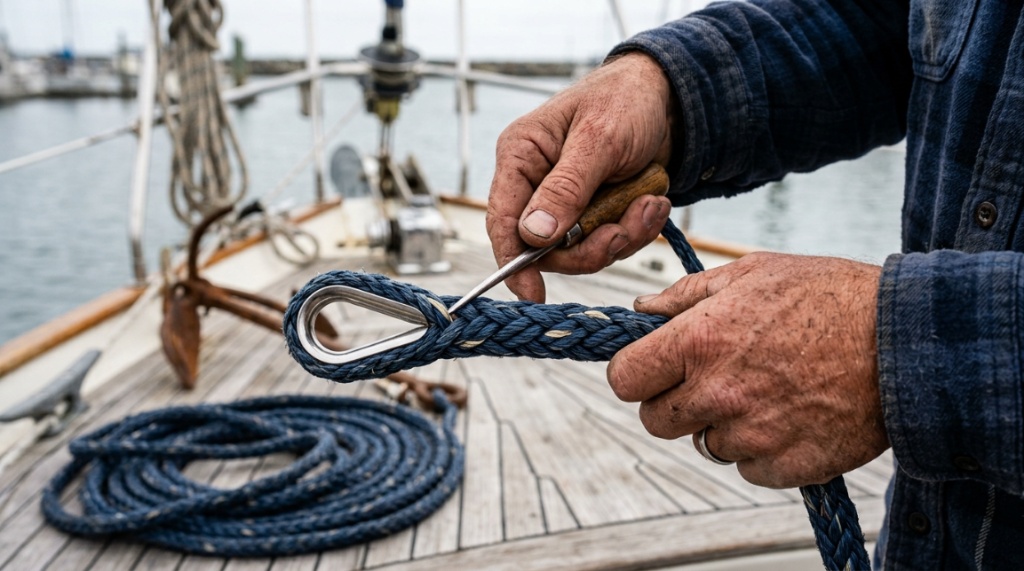
Three-strand is the classic anchor line. It is round, easy to splice, and accepts a thimble beautifully. Its elasticity is high, but it can kink if twisted too much. For anchoring, the stretch is an asset, so the minor inconvenience of occasional kinking is a trade-off many accept.
Eight-Plait: The Snag-Free Alternative
Eight-plait rope is braided to be completely kink-free and runs through pulleys better. It is a bit stiffer than three-strand but provides a smoother surface for snubbing, which reduces abrasion against the bow chock. It is slightly harder to splice but results in a lower profile package.
The Role of the Chain Splice
Rather than tying a knot to the chain, a rope-chain splice is the most robust connection. This splice creates a transition that allows the rope to lay flat and reduces wear on the rope fibers. Learning this splice is an investment in reliability that pays off every time you haul in a heavy anchor.
Can You Use a Combination Rope and Chain Setup?
Yes, a combination rope and chain setup is not only acceptable but often mandatory in Florida to combat grass and coral abrasion. A 10 to 20-foot length of galvanized chain between the anchor and the rope provides weight to keep the pull angle low and protects the rope from seafloor abrasion.
Choosing the Correct Chain Size
The chain must match the diameter of the rope. For 1/2-inch rope, use 5/16-inch chain. The connection is made with a galvanized anchor shackle that is moused with wire. This chain adds weight to the bow, so consider that when adjusting your trim tabs.
Advantages in Seagrass Beds
In seagrass, a rope alone can cut through the grass blades and fail to set. The chain lays the line down on the bottom, preventing the rope from acting like a saw. This is critical for protecting the Florida seagrass ecosystem and ensuring your anchor digs in, not slides across the top.
Safety Tips for Handling Heavy Combos
Wear heavy gloves when hauling the chain into the locker. The chain will carry mud, sand, and sometimes sharp shells. Rinse the chain separately from the rope if possible. The chain’s weight can cause the rope to whip if it slips, so always keep a hand clear of the pulpit.
What Role Does UV Resistance Play in Rope Longevity?
UV resistance is the single most critical factor for longevity because the Florida sun is relentless. A rope exposed to direct sunlight for 100 hours can lose up to 50% of its strength. Therefore, you must prioritize UV inhibitors in the manufacturing process or store the rope in a UV-proof bag.
How UV Rays Degrade Polymer Chains
UV radiation breaks the molecular bonds in the fibers, turning them brittle. You might not see a change in color until it is too late. The outer surface becomes powdery, and the inner core remains intact, but once the outer layer goes, the rope loses its integrity.
Choosing UV-Resistant Additives
Look for ropes with UV stabilizers built into the fiber. Polyester naturally resists UV better than nylon, but not all polyester is equal. Manufacturers like Yifa Rope use specific additives that help the rope maintain flexibility despite continuous sun exposure.
Practical Sun Protection
Use a canvas anchor rope bag. These bags are designed to cover the entire pile of line when not in use, shielding it from the sun. Even if the rope is wet, the bag allows airflow while blocking the harmful rays. This is a small investment that saves you the cost of replacing your line every year.
Is a Floating or Sinking Rope Better for Anchor?
A sinking rope is better for anchoring because it stays on the bottom profile, preventing it from wrapping around the hull or prop. Floating ropes are easier to see but are hazardous in tight anchorages where cross-currents can tangle. For Florida’s busy anchorages, you want a rope that sinks.
The Propeller Hazard
If you use polypropylene or a floating line, the loose loop can drift backward and wrap around your propeller shaft when you start the engine. This is a common rescue call for tow boats in the Keys. Switching to a sinking line eliminates this risk entirely, improving safety for you and your passengers.
How Sinking Lines Improve Holding Power
A sinking line creates a catenary curve that helps keep the anchor shank in the sand. The weight of the rope itself acts as a shock absorber, reducing jerk on the anchor. This is particularly important in the fast tidal currents of the Indian River Lagoon.
Visual Indicators of a Sinking Rope
Check the packaging label. Many ropes specify “sinking” or “low-stretch” on the tag. If you are unsure, take a small sample and drop it in a bucket of water. If it floats, it is not suitable for primary anchorage use.
How Should You Store a Spare Anchor Rope?
Store a spare anchor rope in a dedicated, dry bag separate from the primary rode. Ensure it is coiled using the “figure-8” method to prevent kinks. Label the bag with the length and diameter to avoid confusion during an emergency.
The Figure-8 Coiling Technique
Do not simply wrap the rope around your elbow. Use the figure-8 method, where you loop the rope over your hand and under your thumb alternately. This prevents the line from twisting and creates a tangle-free pile. This is the chosen method of professional captains nationwide.
Maintaining a “Ready” Spare
An emergency storm anchor rode should be pre-spliced to a chain and shackle, ready to deploy. When the weather changes quickly, you do not want to fumble with line splicing. A ready-to-use spare is a mark of a prudent boater.
Storage Location Considerations
Store the spare in a cockpit locker, not below deck. In an emergency, you need quick access without going below. Ensure the locker is vented to avoid heat buildup, which can degrade the line over time.
What are the Top Mistakes Florida Boaters Make with Anchor Rope?
The top mistakes include using too short a line (stingy scope), ignoring UV damage, mixing chain sizes incorrectly, and using dock line for anchoring. Dock lines are not designed for shock loading and will fail under the strain of a Florida squall.
Using Dock Lines as Anchor Rode
Dock lines are typically low-stretch polyester with a tight weave, making them hard to handle and without the elasticity for anchor snubbing. When a 3-foot wave hits your bow, a dock line will snap like a twig. Invest in proper anchor line with marked breaking strength.
Ignoring the Effect of “Laying” in the Locker
Leaving a rope in a tight coil in the hot sun inside a transparent locker is a recipe for failure. The heat accelerates UV penetration. Always store rope in an opaque, ventilated container.
Skipping the Thimble
Failing to use a thimble in the eye splice where the rope connects to the chain is a critical error. The thimble prevents the shackle pin from crushing the rope fibers. Without it, your connection is brittle and prone to failure at the very point of highest load.
Frequently Asked Questions
What is the best material for boat anchor line?
Nylon is generally the best material due to its high elasticity, which absorbs shock and holds anchors in rough water. For lower stretch and higher UV resistance, polyester is preferred, but nylon is the standard for primary anchor rodes.
Is thicker anchor rope always better?
Not necessarily. Thicker rope is heavier and harder to handle, but it provides more strength and abrasion resistance. The key is to match the diameter to the boat’s size and expected windage, not just maximize thickness.
How often should I replace my anchor rope?
For regular year-round use in Florida, replace your rope every two years. If you only boat seasonally, inspect thoroughly each season and replace at any sign of abrasion, stiffness, or discoloration.
Do I need a chain with my anchor rope?
Yes. A 10 to 15-foot chain prevents the rope from abrasive contact with the seabed and adds weight to the anchor shank to help it dig in. Always connect the rope to the chain with a spliced thimble and shackle.
Can I repair a frayed anchor rope?
No. Once a rope is frayed, its structural integrity is compromised. Cutting off the damaged section is acceptable only if the remaining length is sufficient for your scope, but it is safer to replace the entire line.
What length anchor rope do I need for offshore Florida?
For offshore depths of 100 feet or more, you need at least 600 feet of rope to achieve a proper scope. For bays and inlets, a 300-foot line is usually sufficient.
Conclusion
Selecting the best value anchor rope for Florida boats is not about picking the cheapest spool on the shelf. It is about understanding the unique pressures of UV rays, saltwater, and abrasive bottoms that define Florida’s waters. You need a rope that balances elasticity for shock absorption, abrasion resistance for safety, and a length that supports a proper scope. By choosing a quality nylon or polyester line—and storing it correctly—you are making an investment in your safety and the security of your vessel.
Do not wait until the day a gust of wind pulls you off a prime fishing spot. Inspect your current line today. If it shows any signs of wear, replace it with a high-quality product from a trusted supplier. Your anchor is only as good as the rope connecting it to your boat.