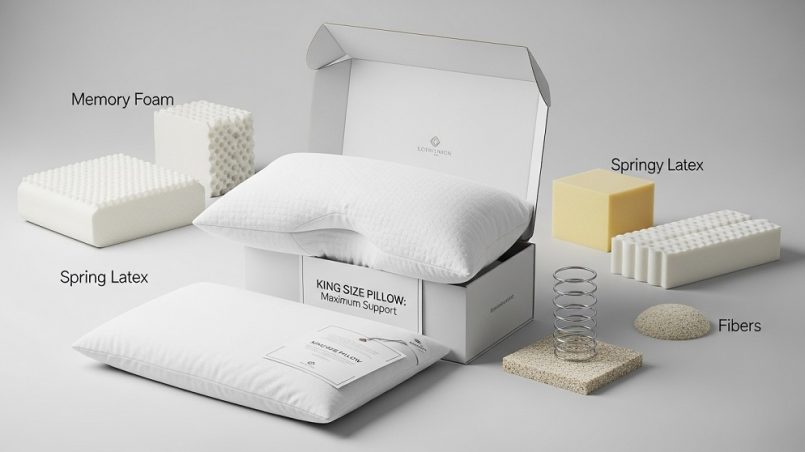
A king size pillow is more than just a larger pillow. It is a support tool that affects spinal alignment, breathing comfort, and sleep quality. Choosing the best king size pillow means selecting the right height, fill material, firmness level, and sleeping-position match.
Many people upgrade to a king pillow for extra shoulder coverage or wider bed space, but they often overlook the most important factor: support. Poor pillow support can lead to neck stiffness, shoulder tension, and interrupted sleep cycles. Over time, that affects productivity and recovery.
This guide explains exactly how to choose a king size pillow that supports your neck correctly, matches your sleep style, and lasts longer than standard pillows. You’ll learn what materials work best, how firmness affects posture, and what sleep research suggests about pillow alignment. By the end, you’ll know how to select the right pillow with confidence.
What Makes the Best King Size Pillow for Maximum Support?
Short answer: The best king size pillow keeps your head aligned with your spine, matches your sleep position, and uses supportive materials like memory foam, latex, or structured down alternatives.
Support is not about softness. It is about alignment. A pillow that looks comfortable may still cause neck strain if it allows your head to tilt forward or backward.
A king size pillow typically measures 20 × 36 inches. This extra width helps:
- Maintain shoulder coverage
- Prevent pillow shifting during sleep
- Support combination sleepers
- Improve posture across wider mattresses
Sleep posture research shows neutral spinal alignment reduces pressure on cervical joints. When your pillow supports the natural curve of your neck, muscle tension decreases overnight.
That is why the best king size pillow focuses first on structure, not softness.
Why Does Pillow Support Matter for Neck and Spine Health?
Short answer: Proper pillow support maintains cervical alignment and reduces strain on neck muscles during sleep.
Your neck supports the weight of your head for hours each night. Without correct support, muscles stay active instead of resting.
Sleep ergonomics studies show poor pillow height increases neck muscle activation during sleep. This leads to:
- Morning stiffness
- Headaches
- Shoulder tension
- Interrupted sleep cycles
A supportive king size pillow distributes weight evenly across the neck curve. It prevents unnatural bending and keeps airways open.
This is especially important for people who:
- Sleep on their side
- Use wide mattresses
- Shift positions frequently
- Experience chronic neck discomfort
Support is not optional. It directly affects sleep quality.
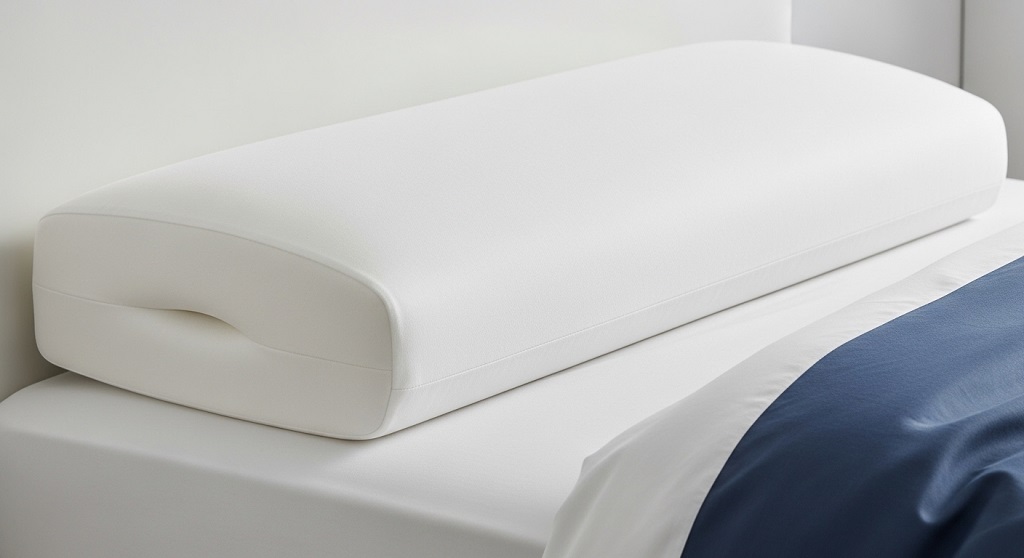
How Do You Choose the Right Firmness Level in a King Size Pillow?
Short answer: Side sleepers need firm pillows, back sleepers need medium support, and stomach sleepers need soft or low-loft pillows.
Firmness determines how well your pillow holds its shape overnight.
| Sleep Position | Recommended Firmness | Reason |
|---|---|---|
| Side sleepers | Firm | Maintains shoulder-to-neck spacing |
| Back sleepers | Medium | Supports cervical curve |
| Stomach sleepers | Soft | Prevents neck overextension |
A king size pillow with adjustable fill offers flexibility. You can customize support based on nightly comfort needs.
Which Pillow Materials Provide the Best Support in King Size Pillows?
Short answer: Memory foam, latex, and structured down alternatives provide the most consistent support.
Material affects durability, airflow, and spinal alignment.
Memory Foam Pillows
Memory foam contours around the neck and head. It distributes pressure evenly and maintains shape throughout the night.
Best for:
- Side sleepers
- Neck pain relief
- Consistent structure
Latex Pillows
Latex responds faster than memory foam and keeps airflow moving.
Best for:
- Hot sleepers
- Combination sleepers
- Long-term durability
Down Alternative Pillows
Down alternatives mimic natural softness but include structural reinforcement.
Best for:
- Back sleepers
- Allergy-sensitive users
- Adjustable loft preferences
Choosing the right fill improves support consistency across the pillow’s full width.
How Does Loft Affect King Size Pillow Support?
Short answer: Loft determines whether your head stays level with your spine.
Loft refers to pillow height.
Incorrect loft causes:
- Neck bending
- Shoulder compression
- Breathing restriction
- Muscle tension
Recommended loft ranges:
- Low loft: stomach sleepers
- Medium loft: back sleepers
- High loft: side sleepers
A king size pillow with adjustable loft offers the most control over alignment.
Is a King Size Pillow Better Than Standard or Queen Pillows?
Short answer: Yes, king size pillows provide wider support coverage and reduce movement disruption during sleep.
The main advantage of a king pillow is stability.
Compared with standard pillows:
- They stay in place longer
- Support shoulders more effectively
- Improve comfort on king mattresses
- Reduce repositioning overnight
For combination sleepers, extra width helps maintain alignment while changing positions.
What Features Should You Look for in the Best King Size Pillow?
Short answer: Look for adjustable loft, breathable covers, structured fill, and washable materials.
Key features include:
- Removable covers for hygiene
- Ventilation channels for airflow
- Adjustable fill inserts
- Hypoallergenic materials
- Shape retention technology
These features extend pillow lifespan and improve nightly comfort.
Can a King Size Pillow Help Reduce Neck Pain?
Short answer: Yes, a properly aligned king size pillow reduces strain on cervical muscles and improves recovery during sleep.
Clinical sleep posture observations show that maintaining neutral neck positioning reduces morning discomfort significantly.
A supportive pillow:
- Relaxes neck muscles
- Supports vertebral alignment
- Reduces pressure points
- Improves sleep depth
People who switch from flat pillows to structured king size pillows often report fewer tension headaches within weeks.
How Do You Match a King Size Pillow to Your Sleeping Position?
Short answer: Choose pillow height and firmness based on shoulder width and spine posture.
Each sleeping position requires different support geometry.
Side Sleepers
Need high loft and firm support to fill shoulder gap.
Back Sleepers
Need medium loft to maintain neck curvature.
Stomach Sleepers
Need low loft to avoid neck twisting.
Matching pillow design to sleep posture prevents long-term spinal stress.
Are Cooling King Size Pillows Better for Support?
Short answer: Cooling pillows improve comfort but do not replace structural support.
Temperature affects sleep depth. Overheating disrupts REM cycles.
Cooling features include:
- Gel-infused foam
- Breathable cotton covers
- Ventilated latex cores
- Moisture-wicking fabrics
While cooling improves comfort, firmness and loft still determine support quality.
How Long Does a High-Quality King Size Pillow Last?
Short answer: Most supportive king size pillows last between 18 months and 3 years depending on material.
| Material | Average Lifespan |
|---|---|
| Memory foam | 2–3 years |
| Latex | 3–4 years |
| Down alternative | 1.5–2 years |
Replacing pillows regularly maintains proper alignment and hygiene.
What Mistakes Should You Avoid When Choosing a King Size Pillow?
Short answer: Avoid choosing pillows based only on softness, price, or brand reputation.
Common mistakes include:
- Ignoring sleep position
- Choosing incorrect loft height
- Overlooking material durability
- Skipping washable covers
- Buying oversized pillows without structure
The best king size pillow matches your body, not marketing claims.
Conclusion: How Do You Choose the Best King Size Pillow for Long-Term Comfort?
The best king size pillow supports your neck, matches your sleep position, and maintains shape throughout the night. Support comes from proper loft, structured materials, and breathable construction. When these factors align, sleep improves naturally.
Instead of choosing pillows based on appearance or softness alone, focus on spinal alignment and durability. A well-chosen pillow reduces strain, improves posture, and helps your body recover during rest.
If you want deeper sleep and fewer morning aches, upgrading to the right king size pillow is one of the simplest changes you can make. Start by identifying your sleep position, selecting the correct loft, and choosing a material that maintains structure over time. Your sleep quality depends on it.
FAQs About the Best King Size Pillow
What is the ideal loft for a king size pillow?
The ideal loft depends on sleep position. Side sleepers need high loft, back sleepers need medium loft, and stomach sleepers need low loft for proper alignment.
Are king size pillows good for neck pain?
Yes. King size pillows provide wider support coverage and help maintain neutral cervical alignment, which reduces strain on neck muscles.
Is memory foam the best material for king size pillows?
Memory foam offers strong contouring support and pressure relief, making it one of the most effective materials for consistent alignment.
Do king size pillows fit standard pillowcases?
No. King size pillows require king-size pillowcases measuring approximately 20 × 36 inches.
How often should you replace a king size pillow?
Most king size pillows should be replaced every 18 to 36 months depending on material durability and usage.
Are king size pillows better for side sleepers?
Yes. Their extra width supports shoulder spacing and prevents repositioning during sleep, improving posture stability.
Can king size pillows improve sleep quality?
Yes. Proper alignment reduces muscle tension and helps maintain uninterrupted sleep cycles.
Read More Also: Safe and Sustainable Debris Management for Modern Homes