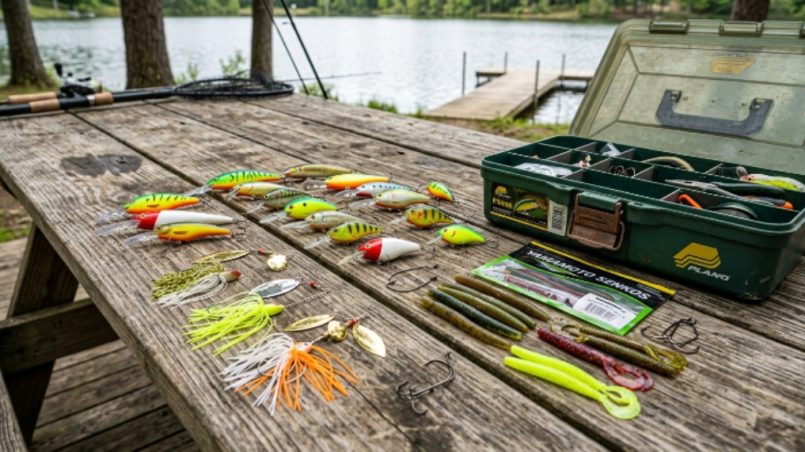
Fishing is a skill that rewards patience, knowledge, and the right equipment. One of the most important decisions any angler makes is choosing the right lure. Lures come in dozens of shapes, sizes, colors, and styles. Picking the wrong one can mean a slow day on the water, even when the fish are biting.
Lure kits solve this problem beautifully. Instead of buying lures one at a time, a kit gives you a curated selection in one package. However, not all kits are created equal. Some are built for beginners. Others are designed for experienced anglers chasing specific fish. Therefore, choosing the right kit means understanding your own needs first.
This guide breaks down everything you need to know. You will learn what to look for, which features matter most, and how to match a kit to your skill level and fishing style.
Why a Lure Kit Makes More Sense Than Buying Single Lures
Buying lures individually adds up fast. A single quality crankbait can cost eight to fifteen dollars. A spinnerbait or swimbait may cost even more. When you are just starting out, or when you are exploring a new body of water, variety matters far more than depth.
A lure kit bundles multiple types of lures into one affordable package. Additionally, most kits come with a tackle box or storage tray, which helps you stay organized on the water. This makes kits an excellent value, especially for anyone building their collection from scratch.
Furthermore, kits allow you to test different lure styles and discover what works for your local waters. Over time, this experimentation becomes one of the most enjoyable parts of fishing.
Understanding the Types of Lures You Will Find in a Kit
Before you choose a kit, it helps to know the basic lure types and what they do. Most quality lure kits include a mix of several styles.
Crankbaits
Crankbaits mimic small fish moving through the water. They are excellent for bass, walleye, and pike. They come in shallow, medium, and deep-diving versions. Therefore, they work across a wide range of water depths.
Spinnerbaits
Spinnerbaits use rotating metal blades to create flash and vibration. They are very effective in murky water where visibility is low. Additionally, they are forgiving lures that are easy to use, making them a great choice for newer anglers.
Soft Plastic Lures
Soft plastics include worms, grubs, and creature baits. They are incredibly versatile. You can rig them in dozens of ways to target almost any freshwater or saltwater species. However, they require a bit more technique to fish effectively than hard lures.
Topwater Lures
Topwater lures float on the surface and create noise or splashing action. They trigger explosive strikes, especially during early morning and evening hours. Watching a fish explode on a topwater lure is one of the most thrilling moments in fishing.
Jigs
Jigs are weighted hooks often paired with soft plastic or feathered trailers. They are among the most effective lures ever made. Nevertheless, they take some practice to use well. Jigs reward anglers who invest time in learning how to work them properly.
Matching a Kit to Your Skill Level
The best fishing lure kit for you depends heavily on your experience level. What works well for a seasoned pro may overwhelm someone who just picked up a rod for the first time.
For Beginners
If you are new to fishing, simplicity is key. Look for beginner fishing kits that include easy-to-use lure styles like spinnerbaits, inline spinners, and shallow-diving crankbaits. These lures require minimal technique. You simply cast them out and reel them back in at a steady pace.
Additionally, beginner kits should come with clear instructions or a guide card. Some include information about which lures work best for specific fish species. This kind of educational value is worth a lot when you are just getting started.
Aim for a kit with 20 to 40 pieces that covers a few basic lure types. More than that can become confusing. Fewer than that may limit your options.
For Intermediate Anglers
If you have some experience under your belt, you are ready for more variety. Look for kits that include soft plastics, jigs, and multiple crankbait profiles. These lures give you more control over how you present your bait.
At this level, you should also start paying attention to lure quality. Higher-quality hooks, better-finished bodies, and more realistic colors all make a difference when fish are being selective.

For Advanced Anglers
Experienced anglers often look for specialized kits targeting a specific species or technique. For example, a bass angler might want a kit focused entirely on topwater and jig styles. A trout fisher may prefer a set of small spinners and minnow lures.
At this level, fishing gear reviews become a critical tool. Reading detailed reviews from other experienced anglers helps you understand which kits deliver on quality and which ones fall short. Therefore, spend time researching before purchasing any specialized kit.
Key Features to Evaluate Before You Buy
Not every lure kit is worth the money. Here are the most important features to examine before you make a purchase:
- Hook quality: Cheap hooks bend or rust quickly. Look for high-carbon steel or stainless steel hooks that stay sharp.
- Lure finish and coating: A well-finished lure holds color longer and resists chipping. UV-resistant coatings are particularly durable.
- Storage solution: A good tackle box included with the kit saves you from buying one separately. Look for waterproof or water-resistant options.
- Variety of colors: Fish respond to different colors depending on water clarity and light conditions. A kit with a range of natural and bright colors covers more situations.
- Target species compatibility: Some kits are made specifically for bass, others for trout, panfish, or saltwater species. Match the kit to your most common fishing targets.
How to Read Fishing Gear Reviews the Right Way
Customer reviews are one of your best research tools when shopping for lure kits. However, not all reviews are equally useful. Here is how to get the most from them.
First, look for reviews from anglers who fish in similar conditions to yours. A review from someone fishing saltwater flats may not help you if you fish freshwater lakes. Context matters a great deal.
Second, pay attention to reviews that mention long-term durability. A lure may look great out of the box but fall apart after a few uses. Reviews that mention repeated use over several months are the most valuable.
Third, be skeptical of kits with only five-star reviews. A healthy product typically has a mix of ratings. Additionally, look for verified purchase labels, which indicate the reviewer actually bought the item.
Finally, fishing forums and dedicated angling communities are excellent sources of honest fishing gear reviews. These reviewers have no commercial interest in the product and tend to be very candid.
The Best Lure Kits to Consider in 2026
The market for top lure kits has grown rapidly. In 2026, there are several standout options worth considering across different price points and skill levels.
For entry-level anglers, complete multi-species kits in the $20 to $40 range offer solid value. They typically include spinners, small crankbaits, and soft plastics, all in one organized box. These kits are widely available and make an excellent starting point.
Mid-range kits in the $40 to $80 range offer better hooks, more refined finishes, and greater variety. They are ideal for intermediate anglers who want to step up their game without breaking the bank.
Premium kits above $80 are typically species-specific and made with professional-grade components. They include premium-quality hooks, lifelike finishes, and in some cases, handcrafted lures. Advanced anglers will appreciate the performance difference these kits deliver.
Conclusion
Choosing the right fishing lure kit does not have to be complicated. Start by identifying your skill level and the type of fish you want to catch. Then match those needs to a kit that offers the right lure styles, solid construction, and good storage.
Beginners will do well with simple, versatile kits that build confidence quickly. Intermediate and advanced anglers should look for greater variety and higher-quality components. Additionally, use fishing gear reviews to separate the standout products from those that disappoint.
The right kit is out there for every type of angler. With the knowledge from this guide, you are ready to choose one that will serve you well on every fishing trip. Good luck, and tight lines.
Frequently Asked Questions
1. How many lures should a good beginner kit include?
A good beginner kit should include between 20 and 40 lures. This range gives you enough variety to experiment without becoming overwhelming. Look for kits that cover at least three or four different lure types so you can learn what works in different conditions.
2. Are cheap lure kits worth buying?
Affordable kits can be very worthwhile, especially for beginners. However, the key is to avoid the very cheapest options, which often use poor-quality hooks and fragile construction. Kits in the $25 to $40 range typically offer a good balance of value and quality for most casual anglers.
3. Can I use a freshwater lure kit for saltwater fishing?
Generally, no. Freshwater lures are not built to withstand the corrosive effects of saltwater. The hooks rust quickly and the finishes deteriorate fast. If you plan to fish in the ocean or in brackish water, look for a kit specifically designed and labeled for saltwater use.
4. What is the best lure type for catching bass?
Bass are one of the most popular freshwater targets, and they respond to a wide range of lures. Soft plastic worms, crankbaits, spinnerbaits, and topwater lures all work well depending on the season and conditions. A general-purpose bass kit that includes all four types gives you the best coverage throughout the year.
5. How do I store lures to make them last longer?
Proper storage extends the life of your lures significantly. Rinse hard lures with fresh water after each use, especially if fishing in saltwater. Store lures in a dry tackle box away from direct sunlight. Keep soft plastics in their original packaging or in separate compartments, as some soft plastics can melt together or damage hard lure finishes when stored in contact with each other.
Related Topics:
How to Follow Plus Size Beachwear Trends 2026 on a Budget
How to Get Luxury Sunglasses Under Budget for Summer Looks