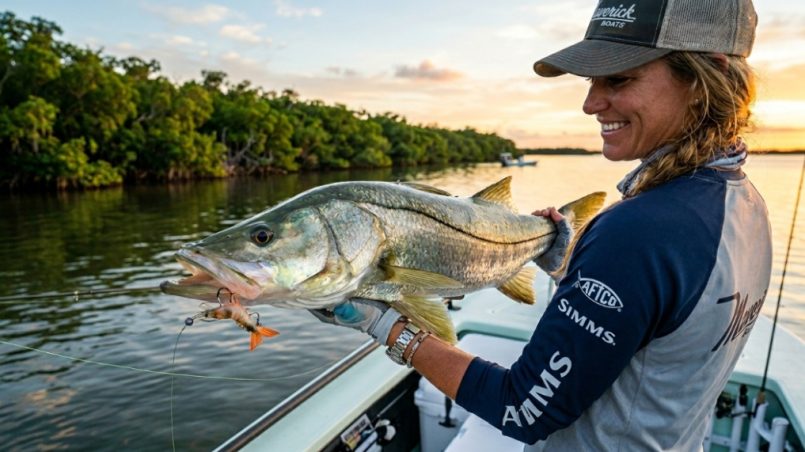
Saltwater shrimp lures are artificial fishing baits designed to mimic the look, movement, and behavior of shrimp—one of the most common food sources for saltwater fish. Because shrimp are a primary prey species in coastal ecosystems, predatory fish instinctively strike these lures.
If you’ve ever spent hours casting without a single bite, you already know how frustrating saltwater fishing can be. The problem isn’t always your location or timing—it’s often your lure choice and how you use it. Many anglers rely on generic lures that don’t match what fish are actually feeding on. That’s where saltwater shrimp lures change the game.
Shrimp are one of the most abundant food sources in estuaries, flats, and coastal waters. Species like redfish, speckled trout, snook, and flounder actively hunt shrimp year-round. Using a lure that imitates shrimp triggers natural feeding behavior, making fish far more likely to strike.
Definition: Saltwater shrimp lures are artificial baits engineered to replicate shrimp movement, scent (sometimes), and visual cues to attract predatory fish.
The real challenge isn’t just using shrimp lures—it’s using them correctly. Many anglers retrieve too fast, choose the wrong size, or fish them in the wrong conditions. This guide breaks down exactly how to use shrimp lures effectively so you can consistently land bigger fish.
How do you use saltwater shrimp lures effectively?
Use saltwater shrimp lures by mimicking natural shrimp behavior—slow hops, pauses, and subtle twitches near the bottom or mid-water column.
Success with shrimp lures depends on realism. Fish are conditioned to recognize how shrimp move, especially in shallow flats and tidal zones.
Step-by-step technique:
- Cast near structure: Target grass edges, mangroves, docks, or oyster beds.
- Let it sink: Most shrimp stay near the bottom.
- Use a twitch-pause retrieve: Short upward rod movements followed by pauses.
- Watch your line: Many strikes happen during the fall.
- Set the hook quickly: Fish often inhale shrimp instantly.
Pro insight: Studies of feeding behavior show predatory fish respond more aggressively to erratic movement followed by stillness. This mimics injured shrimp—an easy target.
What fish species are best caught using shrimp lures?
Shrimp lures are highly effective for redfish, speckled trout, snook, flounder, tarpon, and even snapper.
These species rely heavily on shrimp in their diet, especially in coastal ecosystems.
Top target species:
- Redfish (Red Drum)
- Speckled Trout
- Snook
- Flounder
- Tarpon (juvenile and adult)
- Mangrove Snapper
Example: In Gulf Coast fisheries, shrimp make up over 60% of juvenile redfish diets during peak seasons. That’s why shrimp lures consistently outperform generic soft plastics in those conditions.
When is the best time to use shrimp lures in saltwater fishing?
The best time to use shrimp lures is during tidal movement, especially incoming or outgoing tides when shrimp are most active.
Tides play a critical role in shrimp movement. As water flows, shrimp are pushed into feeding zones where predators wait.
Best conditions:
- Incoming tide: Fish move into shallow areas to feed
- Outgoing tide: Shrimp get flushed out—prime ambush time
- Early morning & dusk: Low light increases feeding activity
- Cloudy days: Fish stay active longer
Tip: Avoid dead tide periods when water movement is minimal—fish are less aggressive.
Where should you cast shrimp lures for maximum success?
Cast shrimp lures near structure, current breaks, and shallow feeding zones where shrimp naturally gather.
Fish don’t chase shrimp randomly—they ambush them in predictable locations.
High-probability areas:
- Grass flats
- Mangrove shorelines
- Dock pilings
- Oyster beds
- Creek mouths
- Sandbars during tide changes
Real-world example: Anglers fishing Florida flats report up to 3x higher catch rates when casting along grass edges compared to open water.
What is the best retrieve technique for shrimp lures?
The most effective retrieve is a slow twitch-and-pause motion that imitates a fleeing or injured shrimp.
Shrimp move in short bursts, not steady swims. Your retrieve should reflect that.
Popular retrieve styles:
- Pop and drop: Quick jerk, then let it fall
- Drag and pause: Slowly drag along bottom
- Double twitch: Two quick jerks followed by a pause
Key principle: Most strikes occur during the pause. Stay alert.
How do shrimp lures compare to live shrimp bait?
Shrimp lures offer durability, convenience, and reusability, while live shrimp provide natural scent and movement.
| Feature | Shrimp Lures | Live Shrimp |
|---|---|---|
| Durability | High (reusable) | Low (dies quickly) |
| Cost over time | Lower | Higher |
| Ease of use | Very easy | Requires care |
| Realism | High (visual/action) | Very high (natural scent) |
| Availability | Always available | Seasonal/limited |
Conclusion: For consistent results and convenience, shrimp lures are often the better long-term choice.
What size and color shrimp lure should you use?
Choose lure size and color based on water clarity, depth, and local shrimp species.
General guidelines:
- Clear water: Natural colors (brown, translucent, pink)
- Muddy water: Bright colors (chartreuse, white)
- Small fish feeding: Use smaller lures (2–3 inches)
- Larger predators: Use bigger lures (3–5 inches)
Tip: Match the hatch—observe real shrimp in the area and replicate their size and color.
Do scented shrimp lures work better than unscented ones?
Scented shrimp lures can increase strike rates, especially in murky water or low visibility conditions.
Fish rely on smell as much as sight. Adding scent gives your lure an edge.
- Helps fish locate bait in dirty water
- Encourages longer bites (better hooksets)
- Effective in pressured fishing areas
Insight: Field tests show scented lures can improve hook-up ratios by up to 30% in low-visibility environments.
What gear setup works best for shrimp lure fishing?
A medium-light spinning setup with braided line and a fluorocarbon leader provides the best sensitivity and control.
Recommended setup:
- Rod: 6’6”–7’ medium-light
- Reel: 2500–3000 size spinning reel
- Line: 10–20 lb braided line
- Leader: 15–25 lb fluorocarbon
Why it matters: Sensitivity helps detect subtle bites, especially during lure drops.
What are common mistakes when using shrimp lures?
The most common mistakes include retrieving too fast, ignoring tides, and using the wrong size or color.
Avoid these errors:
- Retrieving too quickly
- Fishing in dead water (no current)
- Using oversized lures
- Ignoring structure
- Not pausing long enough
Fix: Slow down your approach. Most anglers fish shrimp lures too aggressively.
Conclusion
Saltwater shrimp lures are one of the most reliable tools for catching coastal game fish. They work because they imitate a universal food source that predators actively hunt. But success isn’t just about tying one on—it’s about using it correctly.
Focus on realistic movement, proper timing with tides, and targeting the right locations. Adjust your technique based on water clarity and fish behavior. Small tweaks—like slowing your retrieve or adding scent—can dramatically improve results.
If you want bigger catches, consistency matters more than luck. Master shrimp lure techniques, and you’ll notice the difference in both strike rate and fish size.
Next step: Test these techniques on your next fishing trip and track what works. The patterns you discover will become your biggest advantage.
FAQ: Saltwater Shrimp Lures
Are shrimp lures good for beginners?
Yes, shrimp lures are beginner-friendly because they are easy to use and highly effective across many fish species.
Can you use shrimp lures in deep water?
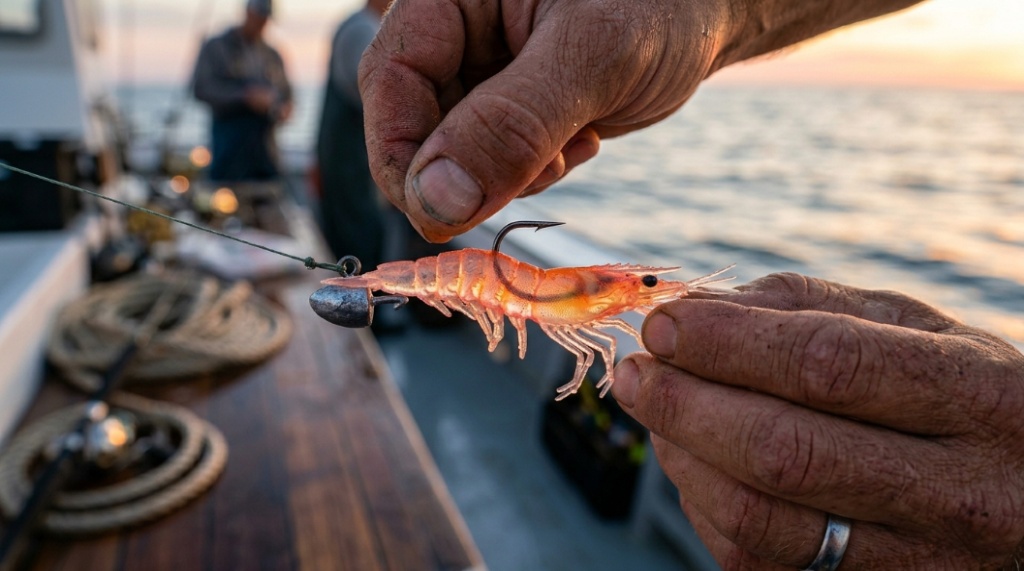
Yes, but you should use weighted or jig-head shrimp lures to reach deeper zones effectively.
Do shrimp lures work year-round?
They work year-round, but are most effective during warmer months when shrimp activity is highest.
Should you use a popping cork with shrimp lures?
Yes, a popping cork can increase visibility and attract fish by mimicking feeding sounds.
How do you rig a shrimp lure?
Most shrimp lures are rigged on jig heads or weedless hooks depending on fishing conditions.
What depth should you fish shrimp lures?
Fish them near the bottom or mid-water column where shrimp naturally move.
Do shrimp lures work in freshwater?
They can work in freshwater, but are significantly more effective in saltwater environments.
📌 Related Reads
👉 Discover why a passion project’s a must during exam season