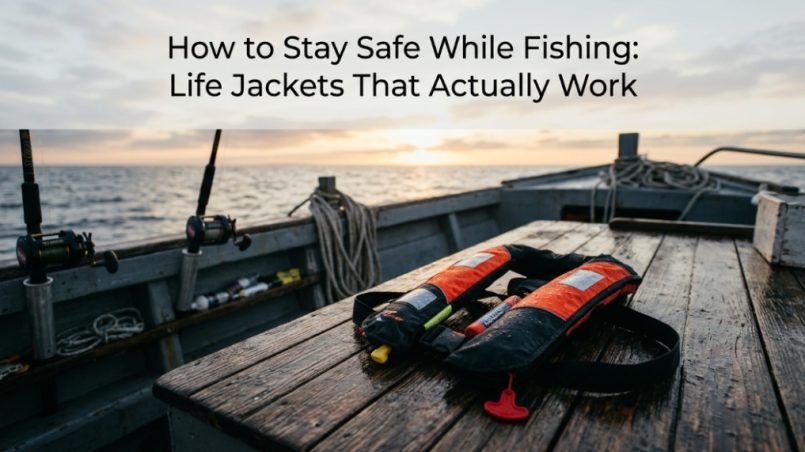
Fishing accidents happen fast, and many anglers underestimate how dangerous calm water can become. The most effective way to prevent fatal boating and fishing incidents is wearing a properly fitted life jacket designed specifically for anglers. Modern fishing PFDs (Personal Flotation Devices) are lightweight, breathable, and built for casting, kayaking, offshore fishing, and mobility. Choosing the right fishing protection gear can mean the difference between a close call and a tragedy.
Why Are Life Jackets One of the Most Important Angler Safety Essentials?
Life jackets are the single most important piece of angler safety essentials because they keep a person afloat during unexpected falls, cold-water shock, fatigue, or unconsciousness.
According to boating safety reports from organizations like the U.S. Coast Guard, the majority of drowning victims in recreational boating accidents were not wearing life jackets. Many fishing accidents happen in calm weather, close to shore, or during routine movements such as standing up, changing seats, or reaching for gear.
Fishing environments create unique risks:
- Slippery boat decks
- Strong river currents
- Cold-water immersion
- Unexpected wakes from passing boats
- Night fishing visibility issues
- Hook and line entanglement
- Fatigue during long fishing sessions
Modern fishing life jackets are designed specifically to reduce these risks while maintaining comfort and casting freedom.
What Makes a Fishing Life Jacket Different From a Regular Life Vest?
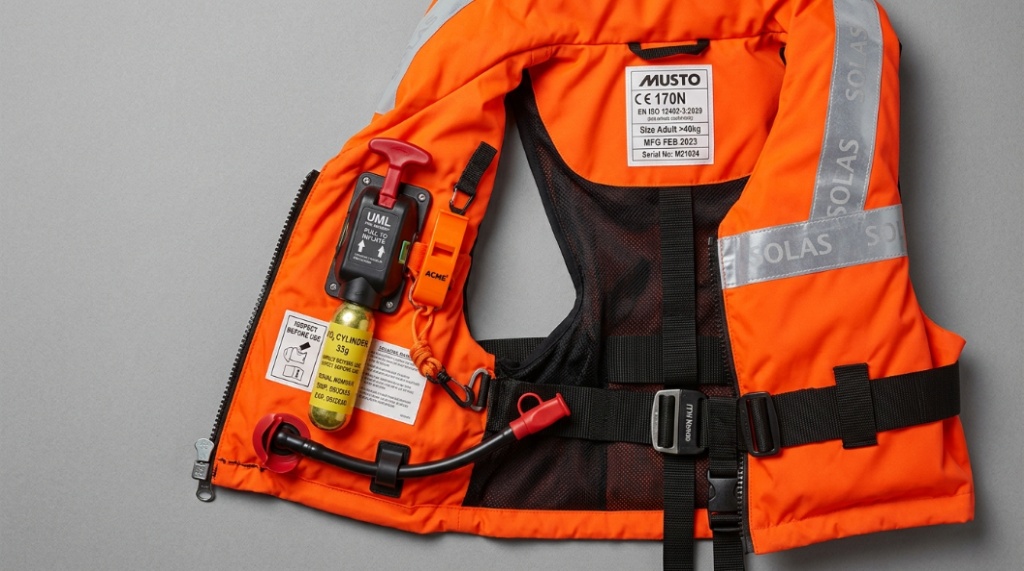
Fishing life jackets are designed for mobility, ventilation, storage access, and long-term comfort while actively fishing.
Unlike generic recreational vests, fishing-focused PFDs prioritize movement and functionality. Anglers spend hours casting, paddling, standing, and reaching for equipment. Standard bulky life vests often discourage consistent use because they feel restrictive.
Fishing-specific models usually include:
- High-back designs for kayak seats
- Breathable mesh panels
- Large arm openings for casting
- Tackle storage pockets
- Tool attachment loops
- Reflective safety elements
- Hydration compatibility
This combination makes anglers more likely to wear the life jacket continuously instead of removing it after launch.
Which Types of Fishing Life Jackets Actually Work Best?
The best fishing life jacket depends on where and how you fish. Kayak anglers, offshore fishermen, and bank anglers all face different safety conditions.
What Are the Main Types of Fishing PFDs?
There are four primary categories of fishing protection gear used for flotation safety.
| Type | Best For | Advantages | Limitations |
|---|---|---|---|
| Foam Life Jacket | General fishing | Reliable buoyancy, no activation needed | Bulkier |
| Inflatable PFD | Offshore & warm-weather fishing | Lightweight and comfortable | Requires maintenance |
| Hybrid PFD | Frequent anglers | Combines foam and inflation | Higher price |
| Kayak Fishing PFD | Kayak anglers | High mobility and seat compatibility | Less suited for rough offshore use |
Are Inflatable Life Jackets Safe for Fishing?
Yes, high-quality inflatable PFDs are safe when properly maintained and used in suitable conditions.
Inflatable life jackets are extremely popular among experienced anglers because they reduce fatigue and heat buildup. Many models automatically inflate when submerged, while manual versions require pulling a cord.
However, inflatable models are not ideal for:
- Non-swimmers
- Children
- Heavy surf conditions
- Whitewater environments
- Situations with frequent water exposure
Regular cartridge inspection is critical. A neglected inflatable PFD may fail during an emergency.
How Do You Choose the Right Fishing Life Jacket?
The best fishing life jacket fits properly, matches your fishing environment, and remains comfortable enough to wear all day.
Many anglers make the mistake of prioritizing appearance over performance. A poorly fitted vest can ride up, restrict movement, or fail to keep the airway above water.
What Should You Look for in Fishing Protection Gear?
Several features significantly improve both safety and comfort.
- USCG or certified safety approval
- Correct buoyancy rating
- Adjustable straps
- Breathable materials
- Quick-access pockets
- Reflective visibility panels
- Knife or plier attachment points
- High-back support for kayak seating
How Should a Fishing Life Jacket Fit?
A properly fitted life jacket should feel snug without restricting breathing or movement.
Here’s a quick fit test:
- Zip and tighten all straps
- Raise your arms overhead
- Ask someone to pull upward at the shoulders
- If the vest rides above your chin or ears, it is too loose
Layering also matters. Cold-weather anglers wearing thick waterproof jackets may need larger sizing.
Why Do Many Fishing Fatalities Happen in Calm Water?
Most fishing-related drowning incidents happen during ordinary conditions because anglers become less cautious in familiar environments.
Calm lakes and slow rivers create a false sense of security. Many people remove their life jackets because they assume danger only exists during storms or rough water.
Real-world accident reports often involve:
- Sudden slips while landing fish
- Boat instability while standing
- Cold shock after falling into water
- Medical emergencies
- Alcohol impairment
- Unexpected underwater obstacles
Cold water is especially dangerous. Even strong swimmers can lose muscle control within minutes after immersion in cold temperatures.
What Are the Best Life Jackets for Kayak Fishing?
Kayak fishing life jackets work best when they provide upper-body mobility, high-back comfort, and secure gear access.
Kayak anglers face elevated risk because they sit close to the water and frequently shift weight while casting or landing fish.
What Features Matter Most for Kayak Anglers?
High-quality kayak fishing PFDs typically include:
- Raised foam back panels
- Ventilated mesh systems
- Large arm openings
- Multiple tackle pockets
- Attachment points for radios and pliers
- Bright visibility colors
Comfort is critical. If a kayak PFD interferes with paddling or seat positioning, anglers are less likely to wear it consistently.
Should Kayak Anglers Wear Inflatable PFDs?
Inflatable PFDs can work for kayak fishing, but foam kayak-specific models are generally safer for beginners and rougher conditions.
Kayaks flip unexpectedly. Foam flotation provides immediate buoyancy without relying on activation systems.
What Other Angler Safety Essentials Should You Carry?
Fishing safety depends on layered preparation, not just one piece of equipment.
A quality life jacket is the foundation, but additional fishing protection gear greatly improves survival and emergency response.
What Safety Gear Should Every Angler Have?
Every fishing trip should include:
- Waterproof flashlight or headlamp
- Whistle attached to PFD
- First-aid kit
- Emergency communication device
- Knife or line cutter
- Dry bag with spare clothes
- Sun protection
- Navigation lights
- Throwable flotation device
Offshore anglers should also consider:
- EPIRB or PLB emergency beacons
- VHF marine radios
- Flares
- GPS systems
How Does Weather Affect Fishing Safety?
Weather changes are one of the biggest threats to anglers because water conditions can become dangerous within minutes.
Many experienced fishermen monitor weather radar before and during trips. Sudden wind shifts, lightning, and temperature drops create hazardous conditions even on smaller lakes.
What Weather Conditions Are Most Dangerous?
Several weather factors increase boating and fishing risk:
- High winds
- Lightning storms
- Fog and reduced visibility
- Rapid temperature drops
- Heavy rain
- Strong tidal movement
Wind is particularly dangerous for kayak anglers because it affects stability and drift control.
What Should Anglers Do During Sudden Storms?
Anglers should immediately head toward shore, wear their PFD securely, and avoid open-water exposure during lightning.
Never assume you can “wait out” severe weather in a small fishing vessel.
Do Expensive Life Jackets Actually Improve Safety?
Higher-priced life jackets often improve comfort, durability, and wearability, which indirectly increases safety.
The most effective life jacket is the one you actually wear consistently. Cheap, uncomfortable vests are frequently removed during long trips.
Premium fishing life jackets commonly offer:
- Better ventilation
- Lower-profile designs
- Improved foam shaping
- Corrosion-resistant hardware
- Higher durability fabrics
- Enhanced storage layouts
That said, certification and proper fit matter more than price alone.
How Often Should Fishing Life Jackets Be Replaced?
Fishing life jackets should be replaced when flotation material degrades, straps weaken, or inflation systems expire.
Sun exposure, saltwater, moisture, and compression slowly damage PFD materials.
What Signs Mean a Life Jacket Is Unsafe?
Replace a PFD if you notice:
- Torn fabric
- Broken zippers
- Weak buckles
- Compressed foam
- Waterlogged material
- Expired CO2 cartridges
- Mold or severe fading
Inflatable models require especially careful inspection before each trip.
Why Is Wearing a Life Jacket More Important Than Storing One?
A stored life jacket cannot protect someone during a sudden fall into water.
Many fishing accidents happen too quickly for retrieval. Victims often enter cold water disoriented, injured, or unconscious.
Real safety comes from continuous wear, not legal compliance alone.
Experienced guides and professional anglers increasingly normalize wearing PFDs full-time because they understand how unpredictable water environments can be.
What Common Fishing Safety Mistakes Should Anglers Avoid?
Most preventable fishing accidents happen because of overconfidence, poor preparation, or inconsistent safety habits.
Which Mistakes Cause the Most Problems?
Common fishing safety mistakes include:
- Not wearing life jackets
- Ignoring weather forecasts
- Standing suddenly in small boats
- Fishing alone without communication
- Drinking alcohol while boating
- Overloading kayaks
- Using damaged fishing protection gear
- Failing to file float plans
A simple float plan telling someone where you are fishing and when you expect to return can significantly improve rescue response times.
How Can Families Improve Fishing Safety for Kids?
Children should always wear properly fitted life jackets near water, even when fishing from shore.
Kids are naturally curious and unpredictable around water. Adult-sized PFDs are unsafe for children because they can slip out during immersion.
What Makes a Good Child Fishing Life Jacket?
Child-safe fishing PFDs should include:
- Crotch straps
- Grab handles
- Head flotation support
- Bright visibility colors
- Proper weight-based sizing
Parents should also teach basic water awareness and emergency response skills early.
Conclusion
Fishing safety starts with preparation, but it ultimately depends on habits. The best angler safety essentials are the ones used consistently every time you launch a boat, step into a kayak, or fish near deep water. Modern fishing protection gear has improved dramatically, making life jackets lighter, cooler, and more practical than older bulky designs.
Choosing the right PFD based on your fishing style, water conditions, and comfort needs dramatically lowers the risk of drowning and severe accidents. Whether you fish offshore, from shore, or in a kayak, wearing a properly fitted life jacket remains the most effective safety decision you can make.
Invest in quality gear, inspect it regularly, monitor weather conditions, and normalize full-time PFD use. Safe anglers fish longer, respond better in emergencies, and protect the people around them.
If you regularly fish with friends or family, now is the right time to review your safety setup and upgrade any outdated equipment before your next trip.
Frequently Asked Questions About Fishing Life Jackets
Do anglers legally need to wear life jackets while fishing?
Many regions require life jackets to be available onboard, but laws about wearing them vary by location and vessel type. Regardless of legal requirements, continuous wear provides the best protection during sudden accidents.
Are inflatable life jackets good for hot weather fishing?
Yes. Inflatable PFDs are popular in hot climates because they are lightweight and breathable. However, they require regular maintenance and may not suit rough-water conditions.
What type of life jacket is safest for kayak fishing?
Foam kayak-specific fishing PFDs are generally safest because they provide immediate flotation without activation and are designed for seated paddling comfort.
How tight should a fishing life jacket fit?
A fishing life jacket should fit snugly without restricting movement or breathing. It should not ride up over the chin or ears when pulled upward.
Can fishing life jackets lose buoyancy over time?
Yes. Foam compression, UV exposure, moisture damage, and aging materials can reduce flotation performance over time.
Should children wear life jackets while shore fishing?
Yes. Children should wear properly fitted life jackets anytime they are near deep water, docks, rivers, or slippery shorelines.
What color life jacket is best for fishing safety?
Bright colors like orange, yellow, and lime improve visibility during emergencies and low-light conditions, making rescue easier.
📌 Related Reads
Discover: How to Build a Portable Golf Simulator Setup with a Laptop
Check out: How to Use Saltwater Shrimp Lures for Bigger Catches