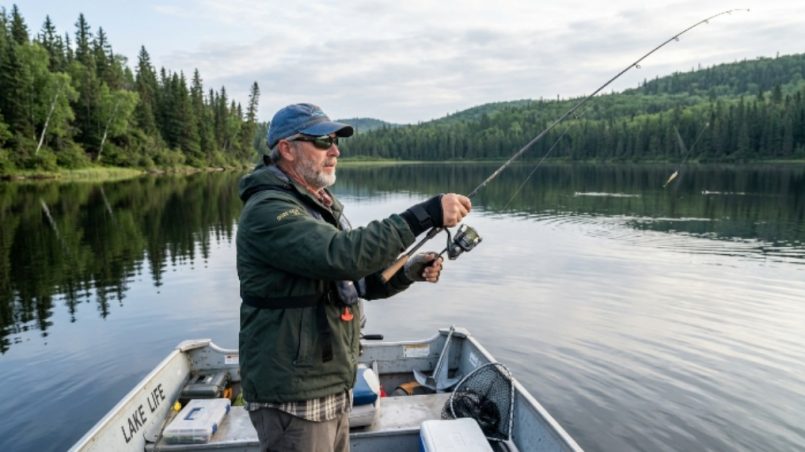
Fishing is one of the most relaxing hobbies in the world. However, it can also put a surprising amount of stress on your wrists. Hours of casting, reeling, and holding a rod take a real toll on the joints and tendons in your hands. Over time, this repeated strain leads to pain, stiffness, and even long-term injury. Fortunately, the right approach and the right gear can make a significant difference. This guide covers everything you need to know to protect your wrists and keep fishing comfortably for years to come.
Why Your Wrists Take Such a Beating on the Water
Most anglers focus on technique, bait, and location. Very few think about joint health — until the pain starts. The wrist is a complex structure made up of small bones, ligaments, and tendons. Repeated casting motions compress these structures over and over again throughout a long fishing session.
Additionally, holding a rod at an awkward angle for extended periods puts static strain on the wrist. This is different from the sharp strain of casting. It is slower and often goes unnoticed until soreness sets in at the end of the day. Cold weather makes things worse because muscles and tendons tighten in low temperatures, reducing their natural flexibility.
Therefore, understanding why wrist fatigue happens is the first step toward preventing it. Once you know the cause, the solution becomes much clearer.
The Real Cost of Ignoring Wrist Pain While Fishing
Many anglers push through discomfort. They assume it is a normal part of the hobby. However, ignoring early warning signs can lead to serious problems. Tendinitis, carpal tunnel syndrome, and repetitive strain injuries are all common among frequent fishers.
These conditions do not just hurt. They can keep you off the water for weeks or months. In severe cases, they require surgery or physical therapy. The good news is that most of these injuries are preventable. A little attention to your wrist health goes a long way.
How to Reduce Wrist Fatigue Fishing Starts with Technique
Before you spend a single dollar on gear, revisit your casting technique. Poor form is one of the biggest drivers of wrist strain. Many anglers rely too heavily on wrist snap when casting. This places the full force of the cast on the wrist joint rather than distributing it across the arm and shoulder.
A proper casting stroke uses the forearm and shoulder as the primary power source. The wrist should move only slightly — acting as a guide rather than a hinge. Practice smooth, controlled casts rather than sharp, whipping motions. Over time, this adjustment alone can dramatically reduce the stress on your wrists.
Additionally, take short breaks every 30 to 45 minutes. Set the rod down. Shake out your hands. Roll your wrists in slow circles. These simple movements restore circulation and give the tendons a moment to recover.
Choosing Ergonomic Fishing Gear That Protects Your Wrists
The tackle industry has made real progress in designing products that reduce strain on the body. Ergonomic fishing gear now spans rods, reels, rod handles, and gloves — all designed with joint health in mind.
Rods Designed for Comfort
Rod weight matters more than most anglers realize. A heavy rod forces your wrist to work harder simply to hold it up. Lightweight graphite or carbon fiber rods significantly reduce this static load. Look for rods with balanced weight distribution so the tip does not pull your wrist forward during long holds.
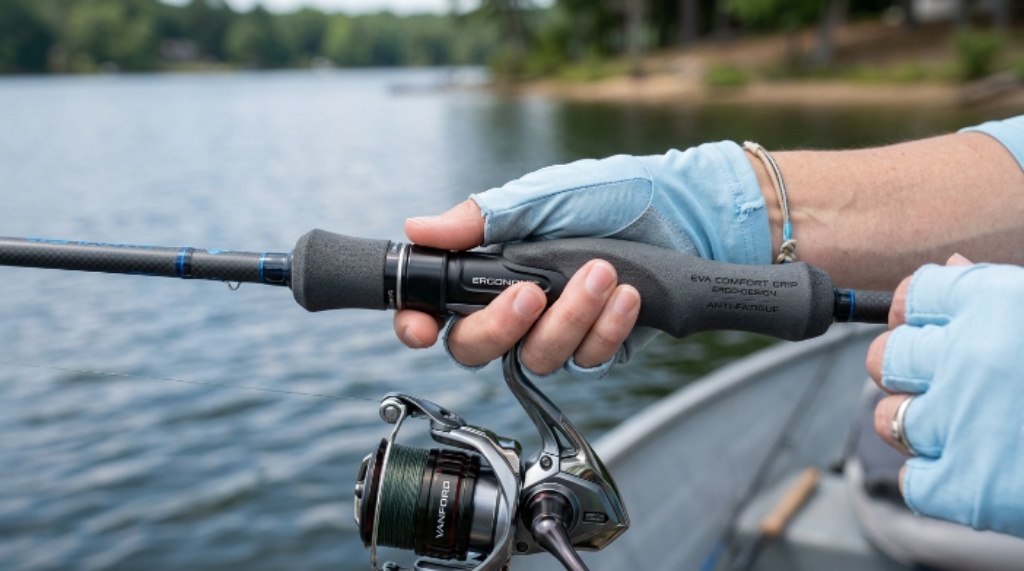
Handle design also plays a major role. EVA foam and cork handles conform to the shape of your hand, reducing grip effort. Longer handles allow you to use a two-handed grip on powerful casts, which takes pressure off the wrist entirely.
Reels That Do the Work for You
A reel with a smooth drag system and a comfortable handle knob makes reeling feel effortless. High gear ratio reels retrieve line faster with fewer turns, meaning less total wrist rotation per fishing session. Look for reels with ergonomically shaped handle knobs that fit naturally in the fingers without forcing the wrist into an awkward angle.
Baitcasting reels, in particular, can be hard on the wrist if improperly set up. Make sure the braking system is tuned correctly so you are not fighting backlash repeatedly throughout the day.
Fishing Gloves with Wrist Support
Fishing gloves have come a long way. Many modern options include built-in wrist support panels that limit hyperextension without restricting movement. These gloves keep the joint aligned during casting and retrieving. They also provide warmth in cold conditions, keeping tendons loose and flexible.
Look for gloves made with neoprene or compression fabric. These materials offer support while remaining breathable and water-resistant.
Wrist Braces and Compression Wraps for Anglers
A wrist brace is one of the most direct tools for wrist injury relief. It holds the joint in a neutral position, which reduces the internal pressure on tendons and nerves during repetitive motion. Many anglers wear a lightweight brace under their glove without any reduction in casting ability.
Compression wraps serve a slightly different purpose. They increase blood flow to the area, which speeds up recovery and reduces swelling after a long session. Wrapping your wrists before a day on the water is a proactive choice. Wrapping them after is an excellent recovery habit.
However, not all braces are suitable for fishing. Choose a low-profile brace that does not bulk up under your rod hand. Look for adjustable straps so you can dial in the right amount of compression. Avoid rigid splint-style braces during active fishing, as they limit movement too much and can interfere with your grip.
Stretching Routines Every Angler Should Know
Gear helps. Technique helps. However, a consistent stretching routine may be the single most effective long-term strategy for keeping your wrists healthy.
Before you fish, spend five minutes warming up your hands and wrists. Try these simple movements:
- Extend one arm in front of you and gently pull the fingers back toward your body. Hold for 15 seconds. Switch hands.
- Make a fist, then spread your fingers wide. Repeat ten times on each hand.
- Rotate your wrists in slow clockwise and counterclockwise circles for 30 seconds each direction.
- Press your palms together in front of your chest and gently lower them toward your waist. Hold for 20 seconds.
After fishing, repeat these stretches. Additionally, apply a warm compress to your wrists if they feel sore. This relaxes the tendons and speeds up recovery overnight.
Rod Holders and Fishing Accessories That Give Your Wrists a Rest
You do not have to hold your rod every single second. Rod holders mounted to a boat, kayak, or pier let you rest your wrists during slower periods without losing your line in the water. This small adjustment adds up to significant relief over the course of a full day.
Tackle bags and rod cases with padded, ergonomic handles also reduce strain during transport. Many anglers forget that carrying gear to and from the water is part of the physical load. Choosing accessories with comfortable grip designs protects the wrist even before the first cast.
When to See a Doctor About Fishing-Related Wrist Pain
Some pain is normal after a long day on the water. However, certain symptoms warrant medical attention. See a doctor if you experience:
- Sharp or shooting pain in the wrist during or after casting
- Numbness or tingling in the fingers
- Swelling that does not go down after a day of rest
- Weakness in the grip that makes holding a rod difficult
- Pain that wakes you up at night
These signs can indicate carpal tunnel syndrome, tendinitis, or a stress fracture. Early treatment leads to faster recovery and better outcomes. Do not wait until the pain becomes unbearable.
Conclusion
Wrist health is easy to overlook when you are focused on landing the next big catch. However, it deserves just as much attention as your rod, reel, or bait selection. Learning how to reduce wrist fatigue fishing comes down to three things: better technique, smarter gear choices, and consistent wrist care habits.
Investing in ergonomic fishing gear — from lightweight rods to supportive gloves — makes every session more comfortable. Adding a wrist brace or compression wrap provides targeted wrist injury relief on demanding days. Pairing all of this with a solid warm-up routine and regular breaks creates a complete strategy for long-term joint health.
Fishing is a lifelong passion for millions of people. With the right approach, there is no reason wrist pain should ever cut that passion short.
Frequently Asked Questions
Can wrist fatigue from fishing lead to permanent damage?
Yes, if left untreated over a long period, repeated strain can cause chronic tendinitis or carpal tunnel syndrome. However, most fishing-related wrist problems respond well to rest, proper gear, and early treatment. Addressing discomfort early is key to preventing long-term damage.
What is the best type of rod to reduce wrist strain?
A lightweight graphite or carbon fiber rod with an ergonomic cork or EVA foam handle is the best choice for wrist comfort. Balanced weight distribution reduces the static load your wrist carries during long holds between casts.
Should I wear a wrist brace on both hands while fishing?
Most right-handed anglers experience more strain in their dominant casting hand. However, if you feel discomfort in both wrists, wearing a brace on each hand is perfectly reasonable. Choose a low-profile model that allows full range of motion.
How long does it take to recover from fishing-related wrist soreness?
Mild soreness from a single day of fishing usually resolves within 24 to 48 hours with rest, stretching, and a warm compress. Persistent pain lasting more than a week may indicate a more serious condition and should be evaluated by a doctor.
Are fishing-specific gloves really necessary, or can I use regular sports gloves?
Fishing-specific gloves are designed with water resistance, grip texture, and wrist support features that general sports gloves lack. While regular compression gloves can offer some benefit, fishing gloves are a better investment because they are built for the specific demands of the sport.
Related Topics:
How to Use Saltwater Shrimp Lures for Bigger Catches
How to Buy Golf Irons on a Budget Without Sacrificing Quality