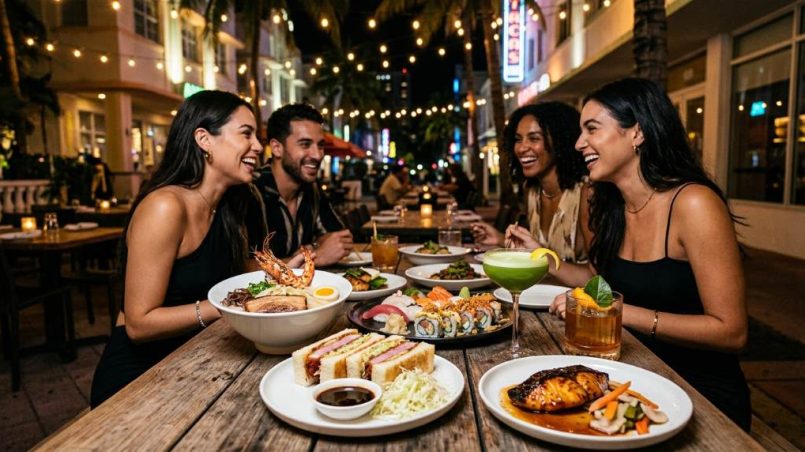
Miami’s food scene continues to evolve as chefs introduce bold international flavors that match the city’s vibrant culture and tropical climate. Japanese cuisine now plays a major role in this transformation, especially as diners search for lighter meals, premium ingredients, and artistic presentation. According to the National Restaurant Association, global flavors remain one of the strongest dining trends in the United States, while seafood-focused menus continue to gain popularity in coastal cities. Many restaurant owners also follow japanese food trends around the world because consumers increasingly prefer balanced meals with fresh ingredients. As a result, Japanese-inspired dishes now appear across Miami’s restaurants, cafés, rooftop lounges, and luxury dining spaces.
Why Japanese Flavors Are Growing Fast in Miami
Miami offers the perfect environment for Japanese-inspired dining because residents and tourists often prefer fresh seafood, citrus flavors, and visually appealing meals. The city’s warm weather encourages lighter menu options that feel refreshing instead of heavy. Therefore, sushi bowls, raw seafood dishes, and delicate broths naturally fit local dining habits throughout the year. Restaurant owners also appreciate the flexibility of Japanese ingredients because they blend easily with Latin American and Caribbean influences. As a result, chefs create fusion menus that feel exciting while still delivering authentic Japanese flavor profiles.
Social media also plays a huge role in the rise of Japanese cuisine throughout Miami’s restaurant industry. Diners frequently share colorful sushi platters, wagyu dishes, matcha desserts, and artistic cocktails online because presentation matters heavily in modern dining culture. Consequently, restaurants invest more effort into dishes that look premium while remaining approachable for everyday customers. Japanese cooking techniques also allow chefs to showcase high-quality ingredients without overwhelming the natural taste of seafood or vegetables. This balance between simplicity and creativity continues to attract both local diners and international visitors.
Sushi Evolution Beyond Traditional Rolls
Luxury Sushi Experiences
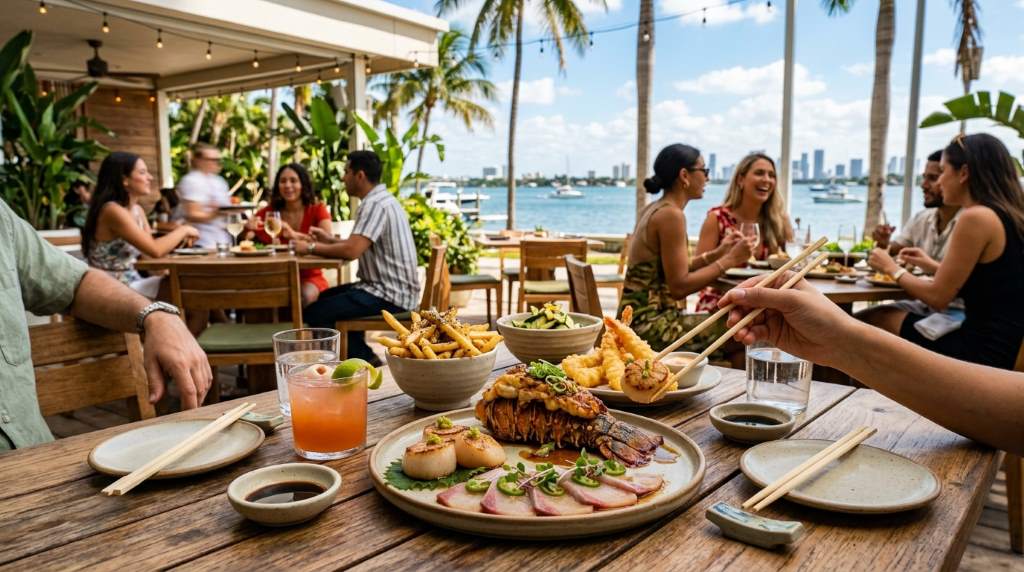
Traditional sushi remains popular in Miami, yet restaurants now push beyond basic rolls by introducing elevated ingredients and unique textures. Many upscale venues feature imported Japanese fish, premium wagyu beef, and rare seafood varieties to attract customers seeking exclusive dining experiences. Additionally, chefs experiment with smoke, edible flowers, truffle oil, and gold flakes to create memorable presentations. Miami’s luxury dining culture strongly supports these premium sushi trends because customers often seek visually impressive meals during social outings. As a result, omakase dining experiences continue to expand throughout the city.
Many chefs also adapt sushi menus to Miami’s tropical climate by including mango, yuzu, coconut, and citrus-based sauces. These ingredients add freshness while maintaining the clean flavor profile associated with Japanese cuisine. Furthermore, lighter sauces help diners enjoy sushi comfortably during hot and humid weather conditions common in South Florida. Restaurants near beaches and outdoor districts especially benefit from these refreshing menu additions because tourists often prefer cooling meals during daytime dining. Consequently, tropical-inspired sushi combinations now dominate many local menus.
Hand Rolls and Casual Dining
Hand roll bars have become one of Miami’s fastest-growing restaurant concepts because they combine quality ingredients with a more relaxed atmosphere. Customers appreciate the simplicity of freshly prepared hand rolls served directly from the counter. Moreover, these restaurants usually focus on speed and freshness, which appeals to younger diners seeking casual but premium dining options. Miami’s nightlife districts also support hand roll concepts because guests often want lighter meals before attending events or visiting clubs. Therefore, hand rolls continue gaining popularity across different neighborhoods.
Several casual restaurants also introduce customizable sushi bowls that allow customers to select proteins, toppings, and sauces based on personal preferences. This trend works especially well in Miami because health-conscious diners often seek flexible meal options that match active lifestyles. Additionally, poke-inspired Japanese bowls offer refreshing alternatives to heavier fast-food choices during warm weather months. Restaurant owners benefit from these concepts because customizable menus increase customer engagement and repeat visits. As a result, many quick-service restaurants now include Japanese-inspired bowl options.
Japanese Fusion With Latin and Caribbean Influences
Miami’s multicultural identity creates strong demand for fusion cuisine that combines Japanese techniques with Latin American ingredients. Chefs frequently pair sushi rice with plantains, chimichurri, spicy mayo, and tropical fruits to create dishes that feel both familiar and innovative. Furthermore, Japanese grilling methods blend naturally with Cuban and Caribbean seafood traditions common throughout South Florida. This creative crossover attracts diners who enjoy bold flavors without abandoning traditional Japanese cooking principles. Consequently, fusion cuisine remains one of Miami’s strongest restaurant trends.
Restaurants also experiment with Japanese-inspired ceviche, ramen infused with Caribbean spices, and robata-grilled seafood seasoned with local herbs. These combinations work particularly well because Miami consumers already appreciate citrus-heavy and seafood-centered meals. Additionally, fusion dishes help restaurants stand out in a highly competitive hospitality market where unique menus often drive customer attention. Many chefs use locally sourced seafood to support freshness while reducing ingredient transportation costs. Therefore, Japanese-Latin fusion continues influencing both casual and fine dining menus across the city.
Matcha and Japanese Dessert Trends
Matcha Beverages and Cafés
Matcha has transformed from a niche ingredient into a mainstream beverage trend throughout Miami’s café culture. Coffee shops now serve matcha lattes, iced matcha drinks, smoothies, and desserts because consumers increasingly seek alternatives to traditional coffee beverages. Moreover, matcha’s vibrant green appearance performs exceptionally well on social media platforms where visually appealing drinks attract online attention. Miami’s warm climate also increases demand for iced beverages, making cold matcha drinks especially popular year-round. Consequently, many cafés now dedicate entire menu sections to matcha-based products.
Health-conscious consumers further support this trend because matcha contains antioxidants and provides a smoother caffeine boost compared to standard coffee drinks. Many younger customers specifically choose matcha beverages as part of wellness-focused lifestyles centered around balanced nutrition. Additionally, cafés often pair matcha with oat milk, coconut milk, and tropical flavors that match Miami’s modern health trends. Restaurant owners benefit because matcha products usually command premium pricing while requiring relatively simple preparation methods. As a result, matcha continues expanding across both specialty cafés and large restaurant chains.
Japanese-Inspired Desserts
Japanese desserts now appear regularly on Miami menus because customers increasingly prefer lighter sweets with balanced sweetness levels. Mochi ice cream, soufflé pancakes, and fluffy cheesecakes attract diners seeking desserts that feel indulgent without becoming overly heavy in hot weather. Furthermore, Japanese desserts often emphasize texture and visual presentation, which aligns perfectly with Miami’s dining culture. Restaurants also appreciate these desserts because they introduce novelty while remaining approachable for a broad customer base. Therefore, Japanese sweets continue gaining popularity in upscale and casual venues alike.
Several bakeries now blend Japanese dessert techniques with tropical flavors such as passion fruit, guava, mango, and coconut. These combinations help restaurants create signature menu items that feel uniquely connected to Miami’s regional identity. Additionally, lighter desserts perform especially well during summer months when consumers often avoid dense baked goods. Many restaurants also use Japanese-inspired desserts to strengthen social media marketing because visually distinctive sweets encourage customer photography and sharing. Consequently, dessert innovation remains an important part of Japanese flavor trends in Miami.
Ramen and Japanese Comfort Food Expansion
Ramen has evolved beyond a winter comfort meal because Miami restaurants now offer lighter broths and seafood-focused recipes suitable for warmer climates. Chefs frequently create citrus-infused ramen, spicy seafood broths, and vegetable-heavy options that feel refreshing while still delivering rich flavor. Moreover, outdoor dining spaces encourage restaurants to adapt traditional comfort foods into lighter versions that customers can enjoy comfortably in tropical weather. Miami diners appreciate these modern interpretations because they combine warmth with freshness. As a result, ramen shops continue expanding across the city.
Japanese comfort foods such as katsu sandwiches, curry rice, and grilled skewers also attract consumers seeking flavorful meals with casual presentation. These dishes work particularly well in Miami’s fast-paced dining scene because they balance convenience with premium ingredients. Additionally, restaurants often package Japanese comfort foods in shareable formats suitable for group dining and nightlife crowds. Many establishments also introduce late-night Japanese snack menus because Miami’s entertainment culture supports extended dining hours. Therefore, Japanese comfort food trends continue influencing menus far beyond traditional sushi restaurants.
Popular Japanese Ingredients Appearing Everywhere
Several Japanese ingredients now appear across Miami restaurant menus, even in non-Japanese establishments. Miso, yuzu, ponzu, wasabi, and sesame oils increasingly enhance seafood dishes, cocktails, marinades, and salad dressings throughout the city. These ingredients add bold flavor without excessive heaviness, making them ideal for South Florida’s tropical environment. Additionally, chefs value Japanese seasonings because small amounts can dramatically improve overall dish complexity. Consequently, Japanese pantry staples continue spreading into multiple restaurant categories.
Restaurants also use Japanese ingredients to create healthier menu options that appeal to wellness-focused consumers. For example, fermented miso supports gut health trends while seaweed ingredients align with growing interest in nutrient-rich foods. Furthermore, yuzu-based sauces offer bright citrus flavor without relying on artificial additives or excessive sugar. Miami consumers increasingly seek cleaner ingredient lists and fresher meal experiences, which supports the continued growth of Japanese-inspired cooking. As a result, Japanese flavor elements now influence everything from seafood tacos to craft cocktails.
How Miami Restaurants Benefit From Japanese Flavor Trends
Restaurant owners benefit significantly from Japanese flavor trends because these ingredients support premium pricing while appealing to diverse customer groups. Japanese cuisine often communicates freshness, craftsmanship, and high-quality preparation, which helps restaurants strengthen their brand image. Additionally, Japanese-inspired dishes photograph extremely well for social media marketing campaigns. Miami’s tourism industry further increases demand because international visitors frequently seek globally influenced dining experiences. Therefore, Japanese menu additions often improve both customer engagement and profitability.
Chefs also appreciate the versatility of Japanese cooking because it allows endless experimentation with local seafood, tropical fruits, and Latin spices. This flexibility helps restaurants remain creative while adapting menus seasonally throughout the year. Moreover, many Japanese dishes naturally support portion control and lighter dining habits that align with modern health trends. Restaurants that successfully balance authenticity with Miami-inspired creativity often attract loyal repeat customers. Consequently, Japanese flavor trends continue shaping the city’s restaurant future.
Related:
Galantine Food Banquet Style Menu Pairing Ideas
10 top foods to try when you’re in Ireland
Tips for Restaurants Adding Japanese-Inspired Dishes
Restaurants looking to embrace Japanese flavor trends should focus on ingredient quality before expanding menu complexity. Fresh seafood, balanced seasoning, and clean presentation matter more than overly complicated recipes. Additionally, chefs should adapt dishes carefully to Miami’s tropical climate by incorporating lighter sauces, citrus flavors, and refreshing textures. Outdoor dining environments also benefit from cooling menu options that customers can enjoy comfortably during humid afternoons. Therefore, climate-conscious menu design plays a major role in successful Japanese-inspired dining experiences.
Restaurant owners should also train staff to explain ingredients and preparation methods clearly because many customers still explore Japanese cuisine for the first time. Educational menu descriptions can increase customer confidence while encouraging experimentation with unfamiliar dishes. Furthermore, social media marketing remains essential because Japanese-inspired meals often perform exceptionally well through visual storytelling. Restaurants that combine authenticity, creativity, and strong presentation usually achieve the best long-term results. As a result, strategic planning helps businesses maximize the growing popularity of Japanese flavors in Miami.
Conclusion
Japanese flavor trends continue transforming restaurant menus throughout Miami because they perfectly match the city’s love for fresh seafood, tropical ingredients, and visually appealing dining experiences. From luxury sushi and fusion ramen to matcha drinks and Japanese desserts, these trends now influence nearly every part of the local food industry. Restaurant owners who adapt Japanese techniques thoughtfully can attract health-conscious diners, tourists, and social media-driven customers alike. Moreover, Miami’s tropical climate creates ideal conditions for lighter Japanese-inspired meals that feel refreshing year-round. If you want your restaurant to stay competitive in Miami’s evolving dining scene, now is the perfect time to explore Japanese-inspired menu innovation.
FAQs
Why are Japanese flavors becoming popular in Miami restaurants?
Japanese flavors match Miami’s demand for fresh seafood, lighter meals, and visually appealing dishes.
What Japanese ingredients are trending in Miami?
Miso, yuzu, matcha, ponzu, sesame oil, and premium seafood are currently very popular.
Are Japanese fusion dishes common in Miami?
Yes, many restaurants combine Japanese cooking with Latin American and Caribbean flavors.
Why does matcha perform well in Miami cafés?
Miami’s warm climate increases demand for refreshing iced matcha drinks and wellness-focused beverages.
What makes Japanese cuisine attractive for restaurant owners?
Japanese-inspired dishes support premium pricing, strong presentation, and flexible menu creativity.