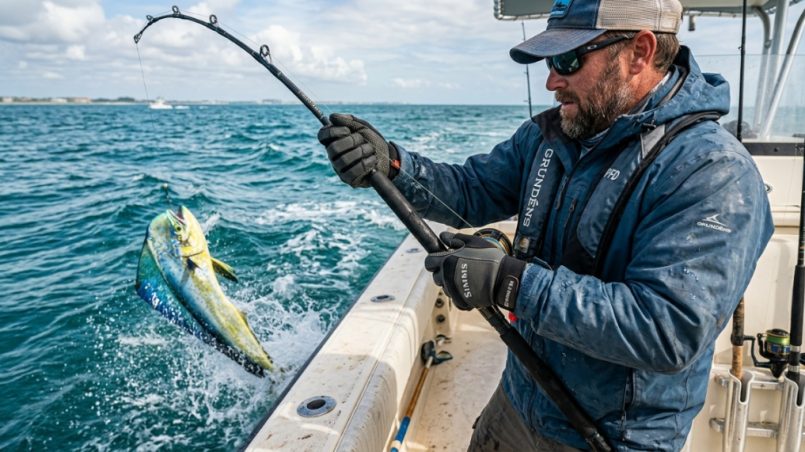
You know the feeling. You are five hours into a fishing trip, the sun is blazing, and your hands are raw from gripping the rod and handling slimy, toothy fish. A good pair of gloves can save the day, but when you start searching for the best options, you see prices that make your reel spin. Many anglers assume that “top-rated” and “affordable” cannot exist in the same sentence, so they either overpay for brand names or skip gloves entirely. The good news is that you do not have to empty your wallet to protect your hands. There are specific, proven strategies to find top-rated fishing gloves budget options that actually perform well in real-world conditions. This guide will show you exactly how to spot value, avoid marketing gimmicks, and choose gloves that last.
What Makes a Fishing Glove Actually “Top-Rated”?
A top-rated fishing glove is not defined by a flashy logo or a high price tag. It is defined by three core qualities: material durability, specific grip performance when wet, and protection against the elements. If a glove fails at any of these, it does not matter how popular the brand is.
Material Quality vs. Marketing Hype
Most beginners fall for marketing terms like “tactical” or “professional grade.” In reality, you should look for gloves made with high-denier nylon, Kevlar stitching for bite resistance, and latex or polyurethane coatings for grip. A glove that costs $30 but uses cheap elastic thread will unravel faster than a $15 glove with double-stitched seams.
Grip Performance in Saltwater vs. Freshwater
Saltwater conditions require a different grip pattern than freshwater. In saltwater, you need drainage holes and a textured palm that sheds water quickly. In freshwater, a smoother silicone palm works well for handling light tackle. Top-rated gloves are usually designed with specific environments in mind, not just generic “fishing” labels.
Protection Against Cuts, Punctures, and Sun
The best gloves offer UPF 50+ sun protection and cut-resistant material on the fingers and palm. If a glove only covers your hand without protecting against hook punctures or gill rakers, it is not truly top-rated. Look for gloves that include reinforced thumb and index finger patches, as these areas take the most abuse.
Why Do Some Fishing Gloves Cost So Much?
Many expensive fishing gloves carry price tags influenced by brand prestige, celebrity endorsements, and retail markups rather than actual material cost. Understanding the economics behind the gear helps you avoid paying a premium for features you do not need.
The Brand Premium Trap
Large brands spend heavily on advertising and sponsorships. When you buy a $60 glove from a major brand, roughly $20 covers the material and labor, another $15 covers marketing and distribution, and the rest is pure profit. Smaller, specialized brands often deliver the same or better quality for half the price because they sell direct-to-consumer.
Material Cost Breakdown
A high-quality pair of gloves costs roughly $8 to $12 to manufacture. This includes nylon mesh, synthetic leather palms, elastic cuffs, and reinforced stitching. When you see a glove priced over $40, you are mostly paying for the name and the retail shelf space. Knowing this empowers you to hunt for value rather than prestige.
Durability Myths
Many anglers believe that paying more guarantees longer glove life. However, the real factor is how you treat the gloves. Rinsing them with fresh water after every saltwater trip and letting them air dry prevents material breakdown. A $20 glove can last two seasons with proper care, while a $70 glove can rot in one month if left wet in a tackle box.
How to Identify Durable Gloves on a Tight Budget
You can spot durable budget gloves by inspecting three specific details before buying: the stitching pattern, the palm coating type, and the cuff closure. These are the first components to fail on cheap gloves, so getting them right ensures longevity.
Check the Stitching Pattern First
Look for double stitching or reinforced seams, especially between the thumb and index finger. Single stitching with visible loose threads is a red flag. High-end budget gloves use a technique called “flatlock stitching” which reduces chafing and prevents unraveling.
Palm Coating Types That Last
Avoid full silicone coatings that crack after a few washes. Instead, look for gloves with a polyurethane (PU) dot pattern or a foamed nitrile coating. These materials stay flexible in cold water and resist peeling. PU-coated palms also provide excellent grip on wet rod handles without attracting sand and debris.
Cuff Design and Elastic Quality
Elastic cuffs that stretch out lose their ability to keep sand and debris out. The best budget gloves use a hook-and-loop (Velcro) closure system because you can tighten them exactly as needed. This also makes them easier to remove when your hands are wet and tired.
Which Features Should You Never Compromise On?
Even when hunting for budget options, there are three non-negotiable features: UV protection, quick-dry material, and touchscreen compatibility. Sacrificing these for a lower price will result in frustration and possibly health risks.
UV Protection Is a Health Essential
Fishing for hours under direct sunlight exposes the back of your hands to intense UV radiation. Skin cancer rates among anglers are higher because many ignore hand protection. Only buy gloves that explicitly state UPF 50+ protection. Any glove cheaper than $10 that does not mention UV rating is likely just a fashion accessory.
Quick-Dry Material Prevents Rashes
Neoprene gloves, while warm, trap moisture and create a breeding ground for bacteria. This can lead to “fisherman’s hand” rashes. Budget gloves made from nylon-spandex blends dry in 30 minutes and prevent skin irritation. This feature is critical for trips lasting longer than a few hours.
Touchscreen Compatibility for Practicality
Removing gloves every time you need to check your fish finder, answer a call, or adjust your GPS is inconvenient and dangerous. Many cheap gloves ignore this feature. However, several budget-friendly brands now integrate conductive threads in the thumb and index finger without raising the price. Ensure the gloves you pick have this capability.
Can You Find Bite-Proof Gloves Without Spending a Fortune?
Yes, you can find affordable bite-proof gloves, but you need to understand the difference between bite-resistant and bite-proof. Bite-proof gloves are typically made with stainless steel mesh or Dyneema fibers and are expensive. Bite-resistant gloves, which use thick synthetic leather and layered materials, are much cheaper and sufficient for most species like snapper, catfish, and bluefish.
Understanding Protection Levels
Bite-proof gloves designed for shark handling or barracuda cost $80 or more. For average inshore fishing, a bite-resistant glove with reinforced palm and fingers stops teeth from penetrating without the bulk. Brands like Gill and Hatch offer affordable bite-resistant models, but you can also find generic versions from outdoor brands that use the same materials for half the cost.
When to Upgrade and When to Save
If you regularly target toothy species like mackerel, bluefish, or small sharks, invest in a mid-range bite-resistant glove ($25-$35). If you mostly catch bass, trout, or panfish, a standard nylon glove with good grip is perfectly adequate. There is no reason to overpay for extreme protection you will never use.
Testing the Glove Before Buying
If possible, stretch the glove material between your hands. If you see light through the fabric easily, it offers minimal bite resistance. High-density woven materials block light and feel stiff before you break them in. This simple test works even on budget gloves and helps you avoid flimsy products.
What Is the Ideal Glove for Florida’s Heat and Humidity?
Florida fishing demands gloves that breathe, dry fast, and protect against the sun. The ideal glove for Florida conditions is a fingerless or half-finger design made from thin polyester-spandex mesh with a silicone or PU palm patch. Full-finger gloves cause excessive sweating and discomfort in high humidity.
Ventilation Strategies for Hot Climates
Look for gloves that have mesh panels on the back of the hand. Some budget gloves even include small perforations in the palm to allow air circulation. Avoid dark-colored gloves in Florida because they absorb heat. Light gray, tan, or white gloves reflect sunlight and keep your hands cooler.
Managing Sweat and Slime
In humid environments, sweat builds up inside gloves quickly. Gloves with moisture-wicking liners pull sweat away from your skin. However, budget models often skip this. A workaround is to wear a thin liner glove underneath, but this adds bulk. Instead, choose gloves marketed for “summer fishing” as they prioritize airflow.
Saltwater Corrosion Resistance
Saltwater degrades cheap metal grommets and plastic buckles. For Florida’s saltwater flats, choose gloves with no exposed metal parts or plastic fixtures that can break. The simplest design is often the most durable: a seamless knit glove with a rubberized palm and no extra hardware.
How to Maintain Budget Gloves for Maximum Lifespan
Proper maintenance can triple the life of even the cheapest fishing gloves. The biggest mistake anglers make is tossing gloves into a bucket or bag while they are still wet. This causes mildew, stiffness, and material breakdown within days.
Rinse Immediately After Use
Fresh water rinsing removes salt, sand, and fish slime that degrade fibers. After rinsing, gently squeeze out excess water. Do not wring the gloves, as this damages the stitching. Hang them on a carabiner or hook, palm side out, in a shaded, breezy area.
Drying Techniques That Preserve Elasticity
Never place fishing gloves on a radiator, in a dryer, or under direct sunlight for prolonged periods. Heat destroys elastic fibers. Instead, stuff the gloves with newspaper or paper towels to absorb moisture from the inside, then let them air dry naturally. This method prevents shrinkage and keeps the gloves fitting perfectly.
Storage Tips to Avoid Odor and Decay
Store gloves in a mesh bag or a well-ventilated tackle box pocket. Avoid sealing them in plastic bags or airtight containers. If you notice a musty smell, soak the gloves in a solution of water and white vinegar (1:4 ratio) for 10 minutes, then rinse and dry. This kills bacteria without damaging the material.
Why Reading Reviews Matters More Than Brand Names
Online reviews from actual anglers reveal real-world performance issues that product descriptions hide. A “top-rated” glove on Amazon with 4.5 stars might have specific flaws like poor cuff elasticity or low breathability that only surface after several fishing trips. Learning to interpret reviews saves you money,While protecting your hands is essential, don’t forget your feet! Check out our guide: Saltwater vs Freshwater Fishing Shoes: Which One Should You Buy? to ensure you are fully prepared for any environment.
Spotting Fake or Inflated Reviews
Be wary of products that have hundreds of 5-star reviews but no detailed comments. Legitimate reviews mention specific use cases like “great for catfish noodling” or “fingers get cold after 2 hours. ” Look for reviews with photos of the gloves in action, as these are harder to fake.
Focusing on Recent Feedback
Manufacturing quality can change over time. A glove model that was amazing two years ago might now be produced with cheaper materials to cut costs. Sort reviews by “most recent” to see if current buyers are happy. If you see a trend of recent complaints about splitting seams, avoid that product.
Comparing Across Multiple Platforms
Do not rely solely on Amazon reviews. Check forums like The Hull Truth, Bassresource, or Reddit’s r/Fishing. Anglers on these platforms tend to be brutally honest and have tested gear in harsh conditions. A glove that forum users consistently recommend, even if it is a lesser-known brand, is often a hidden gem.
Where Should You Buy Fishing Gloves to Get the Best Value?
Your buying location significantly impacts the price you pay. Big box sporting goods stores often mark up gloves by 40-50% because of overhead costs. Online retailers, especially those specializing in fishing gear or outdoor equipment, offer better deals.
Online Marketplaces and Direct Brands
Amazon and eBay offer the widest selection and competitive pricing, but you need to filter carefully. Many reputable fishing glove brands sell directly through their own websites, cutting out the middleman. Signing up for a brand’s newsletter often gives you a 10-15% discount code for your first purchase.
Local Bait and Tackle Shops
Local shops might have slightly higher prices, but the staff can offer personalized advice based on local species and conditions. Sometimes they carry surplus or closeout inventory from major brands at deep discounts. Building a relationship with the local shop owner can lead to insider tips on upcoming sales.
Seasonal Clearance Opportunities
Fishing gloves are seasonal items in many regions. The best time to buy is late September through November, when stores clear out summer inventory. You can often find top-rated brands for 50-70% off original retail prices during these clearance periods. Stock up on multiple pairs at this time.
Frequently Asked Questions
What is the best cheap fishing glove for sensitive skin?
The best cheap glove for sensitive skin is a seamless, cool-mesh nylon glove with a smooth palm coating. Avoid gloves with rough inner seams or neoprene liners. Look for “anti-chafe” or “seamless knit” in the product description. These gloves cost around $12 to $18 and prevent irritation during long hours of wear.
Can I use gardening gloves for fishing?
You can use gardening gloves in a pinch, but they lack essential fishing features. Gardening gloves typically do not have UV protection, they retain water heavily, and their grip fails when wet with slime. They are not suitable for handling fish safely and will degrade quickly in saltwater.
How often should I replace my fishing gloves?
Replace your fishing gloves when you notice holes, when the grip surface becomes slick, or when the elastic cuffs no longer hold the glove in place. With proper care, nylon gloves last 6 to 12 months of regular use. If you fish more than twice a week, plan to replace them every season.
Are fingerless gloves better for knot tying?
Yes, fingerless gloves provide better dexterity for tying knots, removing hooks, and handling small lures. The exposed fingertips allow for precise movements while the covered palm and back of the hand still offer protection and grip. They are a popular choice for fly fishermen and light tackle anglers.
Do expensive fishing gloves really breathe better?
Not necessarily. Breathability depends on the fabric weave and mesh panels, not the price. Many budget gloves use high-tenacity polyester mesh that breathes as well as expensive brands. Check for “4-way stretch” or “ventilated back” in product descriptions rather than relying on price as an indicator of airflow.
Is there a difference between men’s and women’s fishing gloves?
Yes, the main difference is sizing and finger length proportions. Women’s fishing gloves typically have narrower palms and shorter finger lengths. Some brands also add extra padding in different areas based on typical grip patterns. Always check the sizing chart and measure your hand circumference before buying.
What glove is best for handling catfish?
The best glove for catfish is a bite-resistant glove with reinforced palm and fingers. Catfish have rough barbels and sharp pectoral spines. A glove with high-density synthetic leather on the palm and fingertips protects against cuts and punctures. Expect to pay between $18 and $28 for a reliable catfish glove.