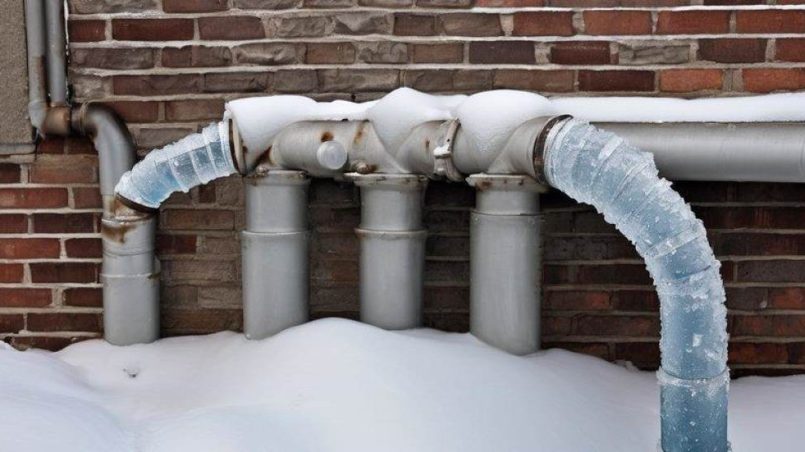
Water flow problems are more common in urban homes than many people realize, especially in older cities like Chicago. Studies suggest that nearly 30% of residential plumbing complaints in the U.S. involve low water pressure or irregular flow. Homeowners often overlook early warning signs, which can lead to costly repairs later. In many cases, the issue connects to hidden factors like pipe corrosion or seasonal temperature changes. Interestingly, problems such as the causes of air in plumbing pipes can also play a significant role in disrupting water flow. Therefore, understanding these issues early helps maintain consistent water supply and prevents long-term damage.
Common Causes of Low Water Flow in Chicago Homes
Water flow problems rarely happen without reason, and several factors can affect how water moves through your pipes. In Chicago, the combination of aging infrastructure and harsh winters makes the issue more complex. Older homes, in particular, often experience gradual pressure loss due to wear and tear. Additionally, mineral buildup and pipe blockages can reduce water flow over time. Many homeowners only notice the problem when it becomes severe, which can delay proper fixes. Therefore, identifying the root cause early can save both time and money.
Aging Plumbing Systems
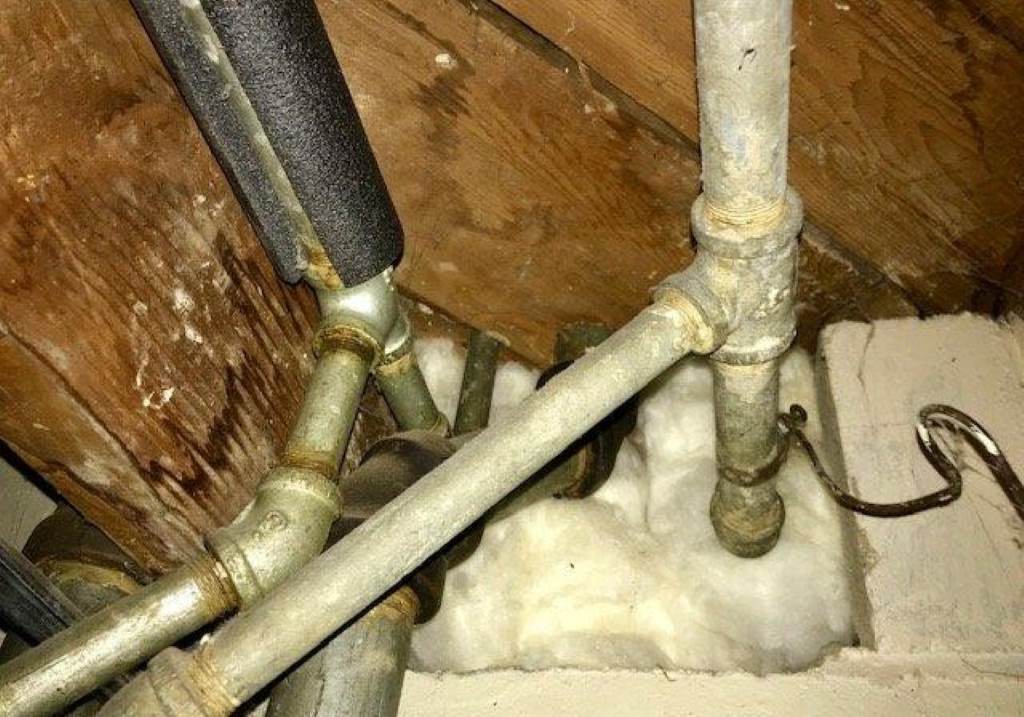
Many Chicago homes were built decades ago, and their plumbing systems reflect that age. Older pipes, especially those made from galvanized steel, tend to corrode over time. As corrosion builds inside the pipes, it restricts water movement and lowers pressure. This issue often develops slowly, making it hard to detect at first. However, once the buildup becomes significant, water flow drops noticeably across fixtures. Replacing outdated pipes with modern materials can restore proper flow and improve overall efficiency.
Mineral Buildup in Pipes
Hard water is a common issue in many parts of Chicago, and it contributes to mineral deposits inside pipes. These deposits gradually narrow the pipe diameter, which restricts water movement. Over time, even a small buildup can significantly reduce pressure in faucets and showers. Moreover, appliances like water heaters can also suffer from scaling, which affects performance. Regular maintenance and water softening systems can help minimize these effects. Therefore, addressing mineral buildup early ensures smoother water flow throughout the home.
Seasonal Impacts on Water Flow
Chicago’s climate plays a major role in plumbing performance, especially during extreme winters. Freezing temperatures can cause pipes to contract or even freeze completely. When water freezes inside pipes, it blocks flow and increases pressure within the system. As a result, pipes may crack or burst, leading to leaks and water damage. Seasonal shifts also affect water demand, which can influence pressure levels in certain areas. Therefore, homeowners must prepare their plumbing systems for winter conditions.
Frozen Pipes and Blockages
Frozen pipes are one of the most common winter plumbing issues in Chicago homes. When temperatures drop below freezing, exposed pipes are at risk of ice formation. This ice blocks water flow and can completely stop water from reaching fixtures. In severe cases, expanding ice can cause pipes to burst, leading to expensive repairs. Insulating pipes and maintaining indoor heat can help prevent freezing. Taking these steps ensures that water continues to flow even during harsh winter conditions.
Increased Water Demand
During colder months, water usage often increases as people stay indoors more frequently. This higher demand can strain the local water supply and reduce pressure in some neighborhoods. Additionally, shared water systems in apartment buildings can experience uneven distribution. As a result, some residents may notice weaker water flow during peak usage times. Installing pressure regulators can help maintain consistent flow throughout the day. Therefore, understanding usage patterns can help manage expectations and improve performance.
Hidden Plumbing Issues That Affect Flow
Water flow problems are not always visible, and hidden issues can quietly disrupt your plumbing system. Leaks behind walls or underground can reduce pressure without obvious signs. Even small leaks can waste significant amounts of water over time. Additionally, trapped air within pipes can create irregular flow and sputtering faucets. These issues often require professional inspection to identify accurately. Therefore, regular plumbing checks are essential for maintaining system health.
Air Trapped in Pipes
Air pockets inside plumbing lines can interfere with smooth water flow. When air enters the system, it creates noise, uneven pressure, and interruptions in water delivery. This issue often occurs after repairs or due to leaks in the system. Homeowners may notice sputtering faucets or inconsistent water streams. Flushing the system or fixing leaks can resolve the problem effectively. Therefore, addressing air in pipes quickly helps restore normal water flow.
Undetected Leaks
Leaks hidden behind walls or under floors can significantly impact water pressure. Even a small leak can divert water away from fixtures, reducing flow. Over time, these leaks can also cause structural damage and mold growth. Detecting leaks early requires careful observation or professional tools. Signs like damp spots or unexplained water bills can indicate a problem. Fixing leaks promptly ensures efficient water use and prevents further complications.
Municipal Water Supply Factors
Sometimes, the issue does not originate داخل the home but from the municipal water supply. Chicago’s water infrastructure serves millions of residents, which can create fluctuations in pressure. Maintenance work or pipe repairs can temporarily reduce water flow in certain areas. Additionally, aging city pipes can contribute to inconsistent pressure levels. Residents may notice sudden changes without any issues inside their homes. Therefore, checking local service updates can help determine if the problem is external.
Water Main Issues
Water mains distribute water across neighborhoods, and any disruption can affect multiple homes. Breaks or repairs in these mains often lead to temporary pressure drops. During maintenance, water flow may slow down or stop completely. These issues usually resolve once repairs are complete. However, repeated problems may indicate aging infrastructure in the area. Staying informed about local updates can help homeowners understand these changes.
Pressure Regulation Problems
Municipal systems use pressure regulators to manage water distribution across the city. If these regulators malfunction, water pressure can fluctuate unpredictably. Some homes may receive too much pressure, while others experience reduced flow. These inconsistencies can affect daily activities like showering or washing dishes. Installing a home pressure regulator can help stabilize water flow. Therefore, combining municipal awareness with home solutions ensures better results.
Fixtures and Appliance-Related Issues
Sometimes, the issue lies within individual fixtures rather than the entire plumbing system. Faucets, showerheads, and appliances can develop blockages that restrict water flow. Mineral deposits and debris often accumulate in small openings. As a result, water pressure appears low even if the main supply is adequate. Regular cleaning and maintenance can prevent these problems. Therefore, checking fixtures should be one of the first troubleshooting steps.
Clogged Aerators and Showerheads
Aerators and showerheads often collect mineral deposits over time. These deposits block small holes and reduce water flow. Cleaning or replacing these components can quickly improve pressure. Many homeowners overlook this simple fix and assume a larger issue exists. Regular maintenance can prevent buildup and extend fixture lifespan. Therefore, simple cleaning routines can make a noticeable difference.
Appliance Valve Issues
Appliances like washing machines and dishwashers rely on proper water flow to function efficiently. Faulty valves or clogged inlets can restrict water supply to these devices. This restriction can affect performance and increase energy usage. Regular inspection of appliance connections can help identify problems early. Replacing worn-out valves ensures consistent water flow. Therefore, maintaining appliances supports overall plumbing performance.
Practical Tips to Improve Water Flow
Improving water flow does not always require major repairs, as simple steps can make a big difference. Regular maintenance helps prevent many common plumbing issues. For example, cleaning fixtures and checking for leaks can improve performance quickly. Additionally, upgrading old pipes can provide long-term benefits. Professional inspections can also identify hidden problems before they worsen. Therefore, combining routine care with timely upgrades ensures consistent water flow.
Here are some practical steps homeowners can follow:
- Inspect and clean faucet aerators regularly
- Install pipe insulation to prevent freezing
- Check for leaks and repair them promptly
- Use water softeners to reduce mineral buildup
- Upgrade outdated plumbing systems when necessary
Conclusion
Water flow issues in Chicago homes can result from a mix of aging infrastructure, seasonal changes, and hidden plumbing problems. Understanding these factors helps homeowners take proactive steps to maintain their systems. Regular maintenance, timely repairs, and awareness of external influences can significantly improve water pressure. Ignoring small issues often leads to larger, more expensive problems over time. Therefore, taking action early ensures reliable water flow and protects your home. If you notice ongoing issues, consider consulting a professional plumber for a thorough inspection and solution.
FAQs
What causes sudden low water pressure in a home?
Sudden pressure drops often result from leaks, pipe blockages, or municipal supply issues.
Can frozen pipes reduce water flow?
Yes, frozen pipes block water movement and can completely stop flow until thawed.
How do I know if my pipes are clogged?
Slow water flow, unusual noises, and uneven pressure often indicate clogged pipes.
Does hard water affect water pressure?
Yes, mineral buildup from hard water can narrow pipes and reduce flow over time.
When should I call a plumber?
You should call a plumber if basic fixes do not resolve the issue or if problems persist.