You have just dropped serious cash on a new mountain bike or road bike, but the pedals that came with it feel like they are made of cheap plastic. Within months, the bearings grind, the surface gets slippery, or the pedal body cracks. Finding durable bike pedals that survive thousands of miles of abuse, rain, mud, and crashes is not about luck—it is about knowing what materials, bearing systems, and design features actually hold up over time. If you are tired of replacing pedals every season, this guide will walk you through exactly what to look for so your next set of pedals is the last set you will ever buy.
What Makes a Bike Pedal Actually Durable?
A durable bike pedal resists wear in three critical areas: the body material, the bearing system, and the spindle. If any one of these fails, the entire pedal becomes useless. The body must withstand repeated impacts with rocks and pavement. The bearings must keep spinning smoothly even after grit and water get inside. The spindle must not bend or snap under heavy loads or hard corners. Cheap pedals save money by using plastic bodies, loose ball bearings, and steel spindles. Durable pedals use forged aluminum or chromoly bodies, sealed cartridge bearings, and heat-treated steel or titanium spindles.
The Difference Between Plastic, Composite, and Aluminum Pedals
Most budget pedals use nylon or plastic composites. These are lightweight and cheap, but they flex under heavy pedaling and crack when you smash them against a rock. Composite pedals with 30–40 percent glass fiber reinforcement are stronger but still not as impact-resistant as metal. Aluminum bike pedals, particularly those made from 6061-T6 or 7075 aluminum alloys, offer the best strength-to-weight ratio for everyday riding. They will dent before they crack, and a dented pedal still functions while a cracked one does not.
Why Do Cheap Pedals Fail So Quickly?
Cheap pedals fail because manufacturers cut costs on the two components that matter most: the bearings and the spindle interface. Loose ball bearing systems use tiny steel balls that sit directly in a plastic or soft metal race. As soon as a little water or dirt gets past the seal, those balls start grinding against the race, creating play and roughness within a few hundred miles. Cheap spindles are often made from ungraded steel that bends under lateral load, especially when cornering hard on a mountain bike. When the spindle bends, the pedal wobbles, and the entire system becomes unstable and dangerous.
Sealed Cartridge Bearings vs. Loose Ball Bearings
Always choose pedals with sealed cartridge bearings over loose ball bearings. A sealed cartridge bearing is a self-contained unit with its own races, balls, and seals packed into a metal ring. These bearings keep grease inside and dirt outside much more effectively than loose ball systems. For maximum longevity, look for dual-sealed or shielded cartridge bearings. Some premium pedals use bushings on one end of the spindle and a cartridge bearing on the other, which can also work well if the bushing is made from oil-impregnated bronze or similar self-lubricating material.
How Can You Tell If a Pedal Will Last Before Buying It?
You can assess pedal durability without riding it by examining three things: the bearing resistance, the spindle interface, and the body thickness. First, spin the pedal with your finger. A smooth, quiet spin with no gritty feeling indicates good bearings. Second, look at where the spindle meets the pedal body. If you see a gap or thin plastic, the pedal will develop play quickly. Third, look at the thickness of the pedal body around the spindle bore. Thicker material, especially aluminum, resists cracking better. You should also check whether the pedal uses a standard 9/16-inch spindle thread. Some ultra-cheap pedals use metric threads that are difficult to replace or repair.
Checking Pedal Weight as a Durability Indicator
Weight is not a perfect indicator, but there is a pattern. Very light pedals (under 300 grams per pair for platform pedals) often sacrifice material thickness and bearing quality to save grams. Very heavy pedals (over 500 grams) might use thick steel plates or cheap metal that corrodes. The sweet spot for durable aluminum bike pedals on a mountain or road bike is between 320 and 420 grams per pair. This range allows for thick 6061 aluminum bodies, sealed cartridge bearings, and a chromoly spindle without being overly heavy.
Which Pedal Materials Offer the Best Long-Term Value?
| Material | Durability | Weight | Corrosion Resistance | Cost | Best For |
|---|---|---|---|---|---|
| Nylon Composite | Low to Medium | Very Light | Good | Low | Casual riding, budget builds |
| 6061-T6 Aluminum | High | Light | Moderate | Medium | Mountain, gravel, commuting |
| 7075 Aluminum | Very High | Very Light | Moderate | High | Enduro, downhill, racing |
| Chromoly Steel | Very High | Heavy | Low | Low to Medium | BMX, cruiser, budget all-around |
| Titanium | Extreme | Ultra Light | Excellent | Very High | Weight-weenie builds |
Is a Heavier Pedal Always More Durable?
Not necessarily. A heavier pedal can be durable if the weight comes from thick aluminum or steel, but weight can also come from poor design, excess plastic, or low-quality materials. A well-designed 6061 aluminum pedal with cutouts and a hollow chromoly spindle can weigh less than a cheap plastic pedal with a solid steel spindle while being significantly more durable. The key is to look at the pedal as a system. A pedal that uses a thick CNC-machined aluminum body with replaceable pins and sealed bearings will outlast a heavier pedal that uses a cast metal body with loose bearings, even if the lighter pedal costs more.
When Should You Replace Your Pedals Instead of Repairing Them?
Replace pedals when the bearings develop play that cannot be tightened, when the spindle is bent, or when the body has cracks or missing chunks. Some pedals have rebuildable bearing systems, but the average cyclist lacks the tools and grease required to service loose ball bearings properly. If your pedals have sealed cartridge bearings that spin roughly, you can sometimes replace the bearings if the manufacturer sells them separately. However, for most riders, buying a new set of quality durable bike pedals every few years is more cost-effective than attempting a rebuild, especially if the pedal body is also worn.
Signs of a Bent Spindle
A bent spindle is dangerous and should be replaced immediately. If you notice a wobble when you pedal, or if one pedal sits at a noticeably different angle than the other, remove the pedal and roll it on a flat surface. If the spindle wobbles, it is bent. Riding on a bent spindle puts uneven stress on your crank arm threads, which can ruin your entire crankset. Some riders make the mistake of thinking they can straighten a bent spindle with a hammer, but this weakens the metal and increases the risk of catastrophic failure.
Can Aluminum Bike Pedals Survive Extreme Mountain Biking?
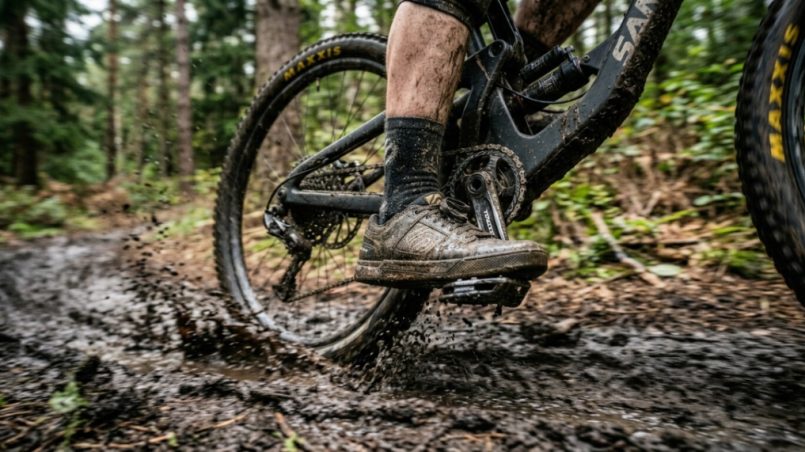
Yes, premium aluminum bike pedals are the standard for mountain biking, including enduro and downhill racing. Brands like Hapleby, Race Face, Crankbrothers, and Shimano have been producing aluminum pedals for decades that survive repeated rock strikes, creek crossings, and heavy landings. The key is choosing a pedal with a thick body (at least 15 mm at the spindle bore) and replaceable steel pins. Aluminum pedals meant for extreme riding often use a concave shape that improves grip while allowing the outer edges to be thinner, which reduces pedal strikes without sacrificing strength at the center.
One strong example of this design philosophy is found in the durable bike pedals from Hapleby, which combine a thick 6061 aluminum body with sealed cartridge bearings and a heat-treated chromoly spindle. These pedals are designed to handle both aggressive mountain biking and high-mileage road riding, giving you a single set that covers multiple disciplines without wearing out quickly.
How Do You Maintain Pedals to Make Them Last Longer?
Pedal maintenance is simple but often overlooked. The most important thing is to clean and relubricate the pedal threads every time you remove and reinstall them. Use a thin layer of anti-seize compound on the spindle threads to prevent galvanic corrosion between the aluminum pedal spindle and the steel crank threads. Once a season, remove the pedals, clean the spindle with a rag, and drip a few drops of light oil into the seam between the spindle and the pedal body. This helps push old grease and dirt out while refreshing the lubrication on the bearings. Finally, check the pedal pins. If you ride flat pedals, loose or worn pins reduce grip and can cause your foot to slip off, which can lead to injury. Tighten or replace them as needed.
Cleaning Pedals After Wet Rides
If you ride in rain or through puddles, rinse your pedals with fresh water after the ride. Mud and grit can work their way into the bearing seals, accelerating wear. Use a gentle spray from a hose, but avoid aiming directly at the bearing seals with high pressure. Dry the pedals with a rag and apply a drop of chain lubricant to the spindle interface. This simple 30-second habit can double the life of your pedals. While ensuring your bike is equipped with durable bike pedals is essential for the open road, upgrading your indoor setup is just as important. If you want to ride hard indoors during the winter, heavy duty bike trainer stand for intense training to keep your fitness sharp year-round.”
What Is the Best Way to Test Pedal Durability Before a Long Ride?
Before a long tour or race, do a quick field test. With the bike on a stand or flipped upside down, spin each pedal by hand. Listen for any grinding or clicking sounds. Then, grab the pedal body and try to wiggle it side to side. Any play indicates worn bearings or a loose spindle. Finally, pedal slowly while feeling for any rough spots in the rotation. If the pedal passes all three checks, it is ready. If you notice any issues, swap the pedals before you leave. A pedal failure on a long ride can ruin your trip and leave you stranded.
Which Features Add the Most Real-World Durability?
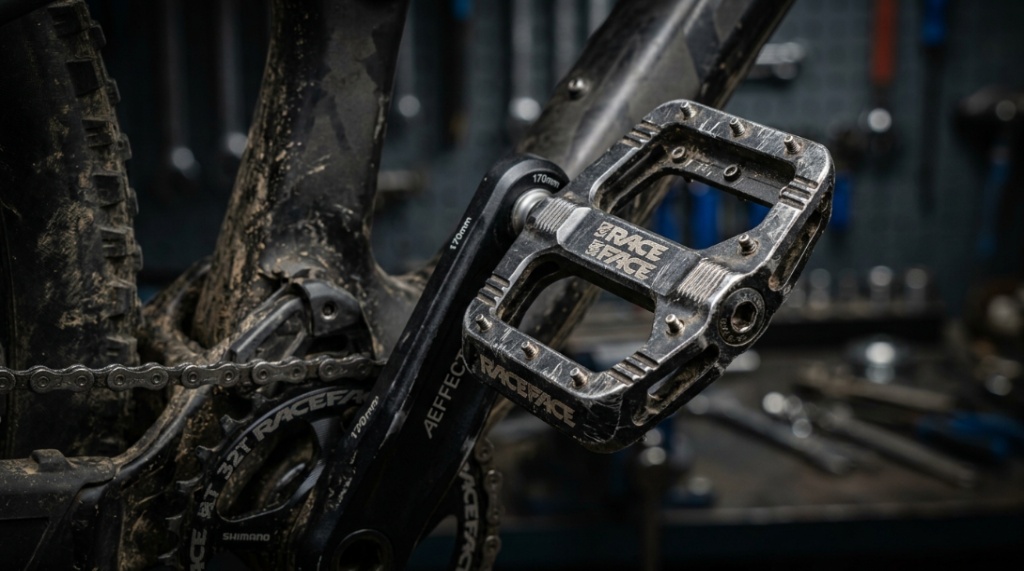
- Replaceable traction pins: These take the brunt of wear instead of the pedal body. Replacements cost pennies.
- Concave body profile: Allows the pedal center to be thicker for strength while keeping the edges thin to avoid strikes.
- Multi-seal bearing design: Dual or triple seals keep water and grit out longer than a single lip seal.
- Heat-treated spindle: Reduces the risk of bending under heavy loads.
- Flat wrench flats on the spindle: Makes installation and removal easier without damaging the pedal.
How Do Durability and Cost Correlate in Bike Pedals?
There is a clear price floor for durability. Expect to spend at least $50–$70 for a pair of pedals that will last several seasons of regular riding. Below that price, you are almost certainly getting loose ball bearings, a plastic or soft alloy body, and a basic steel spindle. Between $70 and $150, you enter the sweet spot where most premium aluminum bike pedals live. Above $150, you start paying for weight savings, titanium spindles, or boutique machining. While those pedals are often very durable, the cost-per-year of ownership might be higher than a well-chosen $100 set that lasts five years with simple maintenance.
Frequently Asked Questions
How long should a good set of bike pedals last?
A quality set of aluminum bike pedals with sealed cartridge bearings should last 3,000 to 5,000 miles of riding before the bearings develop noticeable play. With regular cleaning and lubrication, some riders get 8,000 miles or more from a single set.
Are aluminum pedals worth the extra money over plastic pedals?
Yes, if you ride more than once a week or in any conditions other than dry pavement. Aluminum pedals resist cracking, dent without failing, and typically use better bearings that last much longer than plastic pedal bearings.
Can I rebuild old pedals instead of buying new ones?
You can rebuild pedals with sealed cartridge bearings if the manufacturer sells replacement bearings and you have access to a bearing press. For loose ball bearing pedals, rebuilding is usually not worth the time because the races wear out along with the balls.
What is the most durable pedal material for mountain biking?
7075-T6 aluminum is the most durable pedal material for mountain biking. It is stronger than 6061 aluminum and resists impact damage better than steel because it does not rust. Titanium is stronger but much more expensive.
Do pedal pins really wear out?
Yes, especially if you ride in sandy or muddy conditions. Replaceable steel pins can wear down to nubs within a single season of hard riding. Replacing them restores grip without needing new pedals.
Why do my pedals get crunchy after riding in the rain?
Water washes grease out of the bearings and carries grit inside. The crunchy feeling is dirt grinding between the bearing balls and races. Cleaning and relubricating the pedals after wet rides prevents this damage.
Should I use grease or anti-seize on pedal threads?
Use anti-seize compound, especially if you have aluminum pedals and steel crank arms. Grease can work, but anti-seize provides better protection against galvanic corrosion, which can weld the pedal to the crank arm over time.
Conclusion
Finding durable bike pedals that last for years comes down to choosing the right materials, understanding bearing quality, and performing simple seasonal maintenance. Focus on pedals with 6061 or 7075 aluminum bike pedals bodies, sealed cartridge bearings, and heat-treated chromoly spindles. Avoid plastic pedals if you ride any terrain harder than pavement. Spend enough to get into the $70–$150 range, where real durability lives. Check for play and roughness before long rides, and clean your pedals after wet conditions. By following this approach, you will stop replacing pedals every season and enjoy a smoother, safer ride for thousands of miles. Go ahead, buy quality pedals once, maintain them lightly, and forget about pedal problems for years.