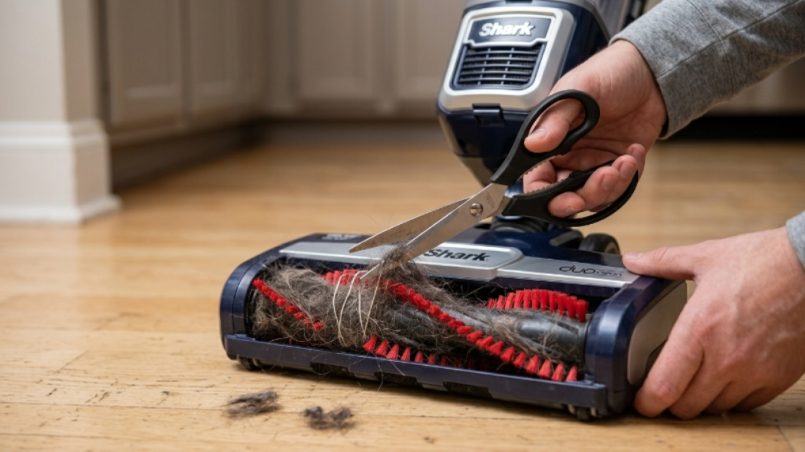
A Shark vacuum cleaner is a solid investment. These machines are built to handle everyday messes, pet hair, and deep carpet cleaning with ease. However, like any appliance, a Shark vacuum only performs at its best when you take care of it properly. Without regular maintenance, even the most powerful vacuum can lose suction, develop odors, or break down ahead of its time.
The good news is that keeping your Shark in top shape does not require special skills or expensive tools. A consistent routine built around filter cleaning tips, vacuum lifespan awareness, and smart usage habits is all you need. This guide covers everything you need to know to get the most out of your machine for years to come.
Why Regular Maintenance Matters
Many people treat their vacuum like a set-and-forget appliance. They pull it out, clean the floor, and put it back without a second thought. Over time, however, this approach leads to problems.
Dust, dirt, and debris build up inside the machine. Filters become clogged. Brush rolls get tangled with hair. When these issues go unaddressed, the vacuum has to work harder to maintain suction. This puts extra strain on the motor, which shortens the machine’s lifespan and drives up energy use.
Additionally, a poorly maintained vacuum can actually make your home dirtier. A clogged filter releases fine particles back into the air rather than trapping them. Therefore, staying on top of maintenance is not just about protecting your machine. It is also about protecting your home environment.
Understanding Your Shark Vacuum’s Key Components
Before you start any maintenance routine, it helps to understand what you are working with. Shark vacuums have several parts that need regular attention.
The dust cup or canister collects all the dirt your vacuum picks up. The filters — usually a foam filter, a felt filter, and a HEPA filter — trap fine particles before air exits the machine. The brush roll sits at the bottom of the vacuum and agitates carpet fibers to loosen debris. The hose, wand, and attachments are the pathways through which dirt travels before reaching the canister.
Each of these components plays a specific role. When one part is dirty or damaged, it affects the performance of the whole system. Therefore, your maintenance routine should cover all of them, not just the most visible parts.
How to Clean the Dust Cup Properly
Emptying the dust cup is the most basic step in Shark vacuum maintenance, and also the most frequently overlooked in terms of how it is done.
You should empty the dust cup after every use, or when it reaches the fill line — whichever comes first. Waiting until the canister is overfull reduces suction and forces dirt back toward the filters. When you empty it, do so over a bin outdoors or in a well-ventilated space to avoid releasing dust back into your home.
Once a month, rinse the dust cup with warm water. Do not use soap, as residue can attract more dirt over time. Let it air dry completely — for at least 24 hours — before placing it back in the vacuum. A damp canister can cause mold and unpleasant odors.
Filter Cleaning Tips That Actually Work
Filters are the heart of your vacuum’s air-cleaning system. Neglecting them is one of the fastest ways to reduce your machine’s efficiency. These filter cleaning tips will help you keep airflow strong and allergens trapped where they belong.
Shark recommends cleaning the foam and felt filters every month under normal use conditions. If you have pets or vacuum frequently, clean them every two to three weeks. Start by tapping the filters gently over a trash bin to dislodge loose debris. Then rinse them under cold running water, gently squeezing the foam filter until the water runs clear.
Never use hot water, detergent, or a washing machine on your filters. Hot water can warp the foam, and soap residue blocks airflow. After rinsing, press out excess water and leave the filters to air dry in a warm spot for at least 24 hours. Placing a wet filter back into the vacuum can damage the motor permanently.
The HEPA filter, found in many Shark models, is not washable. It should be replaced every year or as directed by the manufacturer. A worn-out HEPA filter cannot trap fine particles effectively, which defeats the purpose of having one. Check your model’s user manual to confirm which filters are washable and which need replacing.
Maintaining the Brush Roll
The brush roll does a lot of heavy lifting during each cleaning session. It spins rapidly to pull dirt and hair out of carpets and rugs. However, it is also one of the most prone to tangling and wear.
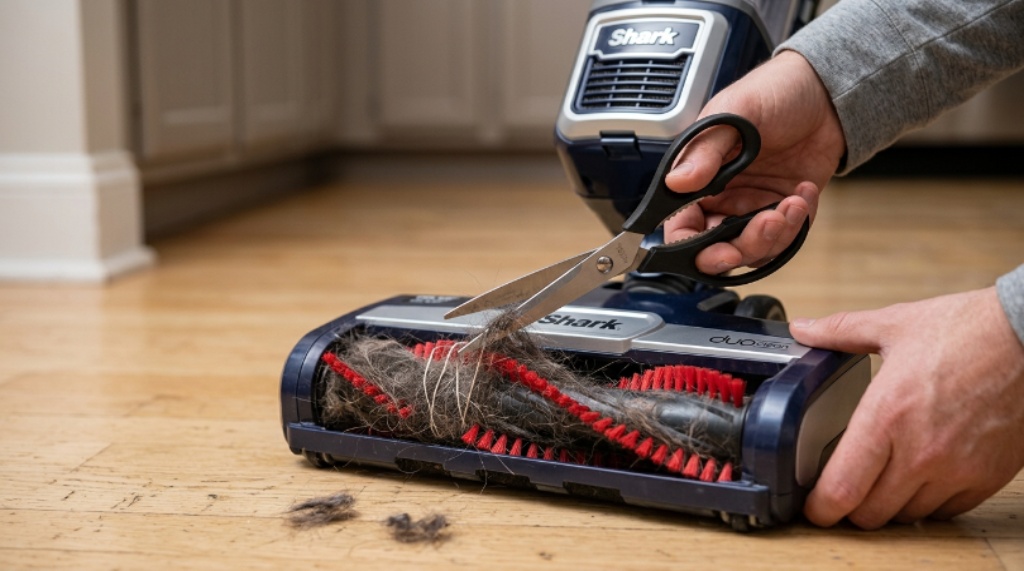
After every few uses, flip your vacuum upside down and inspect the brush roll. Hair, threads, and string commonly wrap around it during vacuuming. Left unchecked, these tangles reduce the roll’s spinning speed and can strain the belt or motor.
Use a pair of scissors to carefully cut through any wrapped material, then pull it away by hand. Most Shark models allow you to remove the brush roll entirely for a more thorough cleaning. Consult your manual for instructions specific to your model before attempting this.
Additionally, check the brush roll for worn bristles. Over time, bristles flatten and lose their ability to agitate carpet effectively. If the bristles look significantly shorter or bent compared to when you first bought the vacuum, it may be time to replace the brush roll.
Keeping the Hose and Attachments Clear
Blockages in the hose or attachments are a common cause of sudden suction loss. Fortunately, they are easy to check and clear.
Detach the hose from the vacuum and hold it up to a light source. Look through from one end to see if there is a visible obstruction. You can also drop a coin through the hose — if it does not come out the other end freely, there is a clog somewhere in the middle.
To remove a blockage, use a long, flexible brush or a straightened wire hanger to gently push the obstruction through. Rinse the hose with warm water afterward and allow it to dry before reattaching. Never use the vacuum with a wet hose.
Clean your attachments — the crevice tool, upholstery brush, and pet hair tool — by rinsing them under running water every few weeks. Let them dry fully before storing or using them again.
Performance Optimization Habits for Everyday Use
Small habits make a big difference over time. Adopting smart daily practices is one of the most effective approaches to performance optimization and keeping your Shark running smoothly for years.
Always pick up large debris like paper clips, coins, or food wrappers before vacuuming. These items can jam the brush roll or clog the hose in an instant. Similarly, avoid vacuuming wet surfaces. Moisture can damage the motor and promote mold growth inside the machine.
Store your vacuum in a dry, cool place away from direct sunlight. UV exposure and humidity can degrade plastic components and seals over time. Additionally, avoid wrapping the cord too tightly around the machine after each use. Tight bends weaken the internal wiring and can lead to electrical faults.
Check the vacuum’s wheels and swivel head periodically for hair or debris buildup. These parts need to move freely for the vacuum to maneuver properly and cover all areas without excess strain on the user or the motor.
When to Replace Parts vs. the Whole Machine
Knowing when to repair and when to replace is an important part of managing vacuum lifespan wisely. Most Shark vacuum parts are available for purchase separately, which means you do not always need to buy a new machine when something wears out.
Filters, brush rolls, belts, and even dust cups can typically be ordered directly from Shark’s website or from major retailers. Replacing these components as needed is far more cost-effective than purchasing a new vacuum every few years.
However, if your vacuum has a failing motor, a cracked body, or persistent electrical issues, replacement may be the smarter choice. Motors are expensive to repair and often cost more to fix than the machine is worth. If your vacuum is more than seven to ten years old and experiencing major issues, it is worth considering an upgrade.
Conclusion
Maintaining your Shark vacuum cleaner does not have to be complicated. By emptying the dust cup regularly, following consistent filter cleaning tips, keeping the brush roll clear, and checking the hose for blockages, you can keep your machine running powerfully for years. Smart performance optimization habits in daily use — like avoiding wet debris and storing your vacuum properly — add even more time to its life. Understanding vacuum lifespan and knowing when to replace individual parts rather than the whole unit saves money and reduces waste. A little attention goes a long way. Treat your Shark well, and it will keep your home clean and fresh season after season.
Frequently Asked Questions
How often should I clean my Shark vacuum filters?
Clean the foam and felt filters at least once a month. If you have pets or vacuum frequently, clean them every two to three weeks. Always let them air dry for 24 hours before reinserting.
Can I wash all Shark vacuum filters with water?
No. Foam and felt filters are washable with cold water. HEPA filters, however, are not washable and should be replaced every year or as recommended in your user manual.
Why has my Shark vacuum lost suction suddenly?
Sudden suction loss is usually caused by a full dust cup, a clogged filter, or a blockage in the hose or brush roll. Check each of these in order before assuming the motor is at fault.
How long should a Shark vacuum cleaner last?
With proper care and regular maintenance, a Shark vacuum can last seven to ten years or more. Replacing worn parts like filters and brush rolls as needed extends its lifespan significantly.
Is it safe to vacuum pet hair with a Shark vacuum every day?
Yes, most Shark models are designed to handle daily use. However, if you vacuum every day — especially for pet hair — increase your filter cleaning frequency to every two weeks to maintain strong suction and airflow.
Related Topics:
How to Pick the Best King Size Pillow for Maximum Support